Practical, not filler
Printable Guides
Choose the right template for the task, learn how to use it well, and jump directly to the free printable that fits.
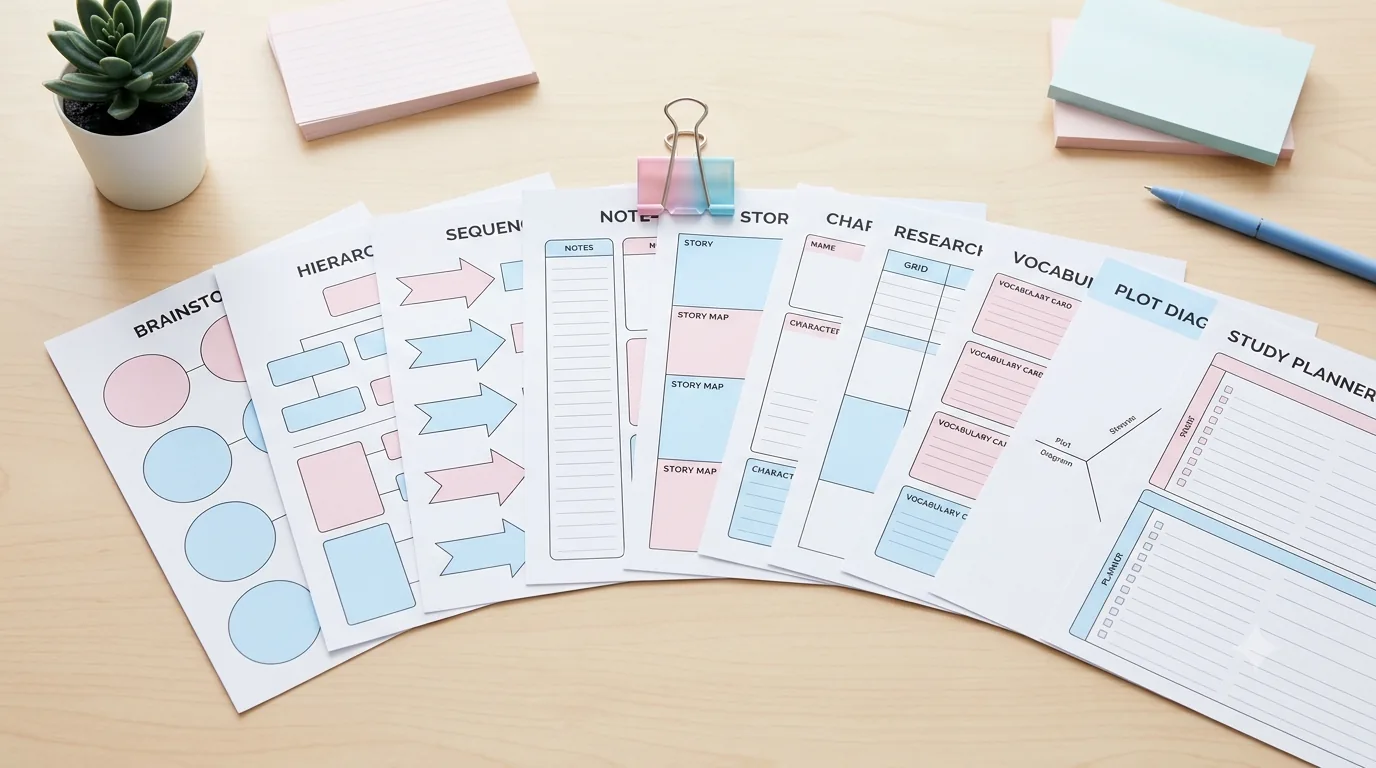
10 Free Graphic Organizers for Reading, Writing, and Studying
Download 10 free graphic organizers for reading, writing, comparison, vocabulary, sequencing, and study. Includes a guide to choosing the right one.
Read guide →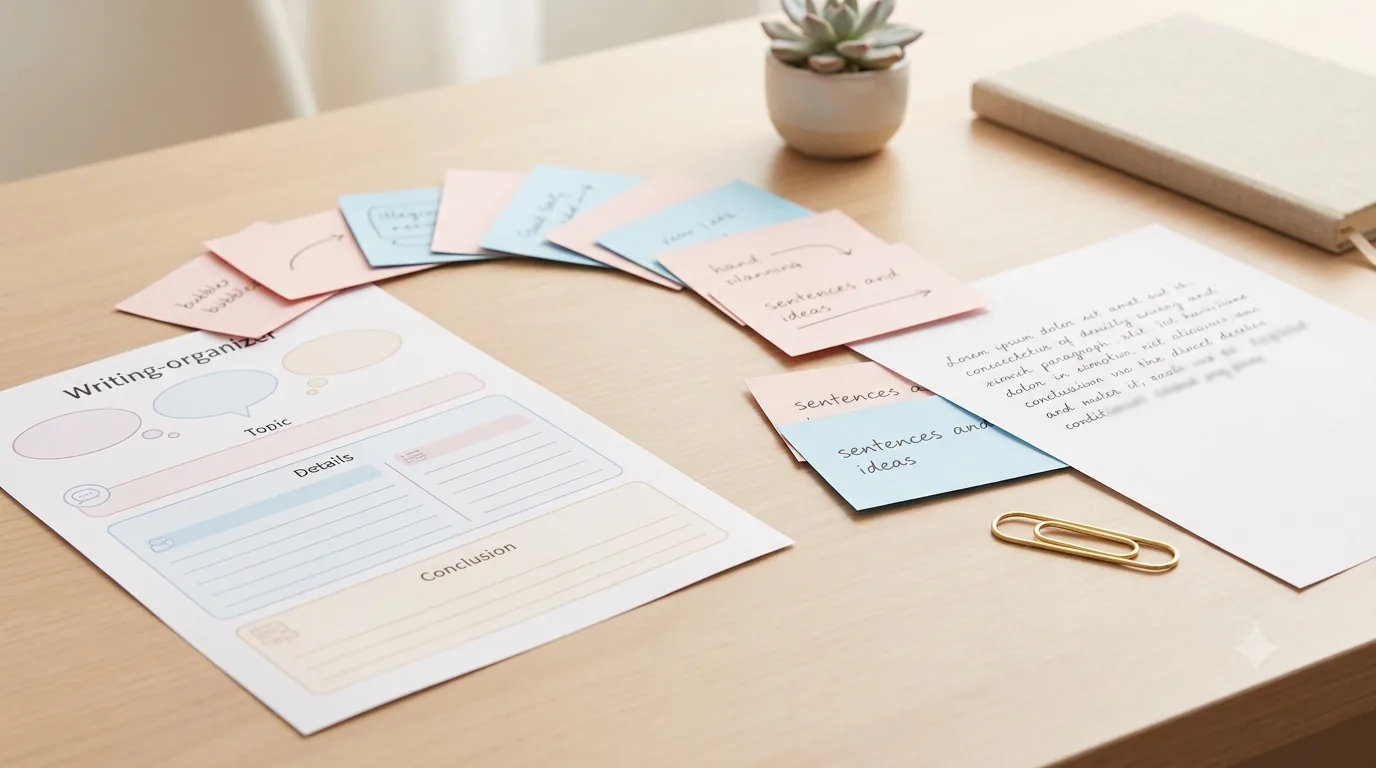
Free Writing Graphic Organizers: Which One to Use and When
Use free writing graphic organizers to plan ideas, structure paragraphs, compare evidence, sequence steps, and organize explanations before drafting.
Read guide →
Free Reading Comprehension Graphic Organizers by Reading Skill
Free reading comprehension graphic organizers for story elements, main idea, sequence, cause and effect, comparison, vocabulary, and prior knowledge.
Read guide →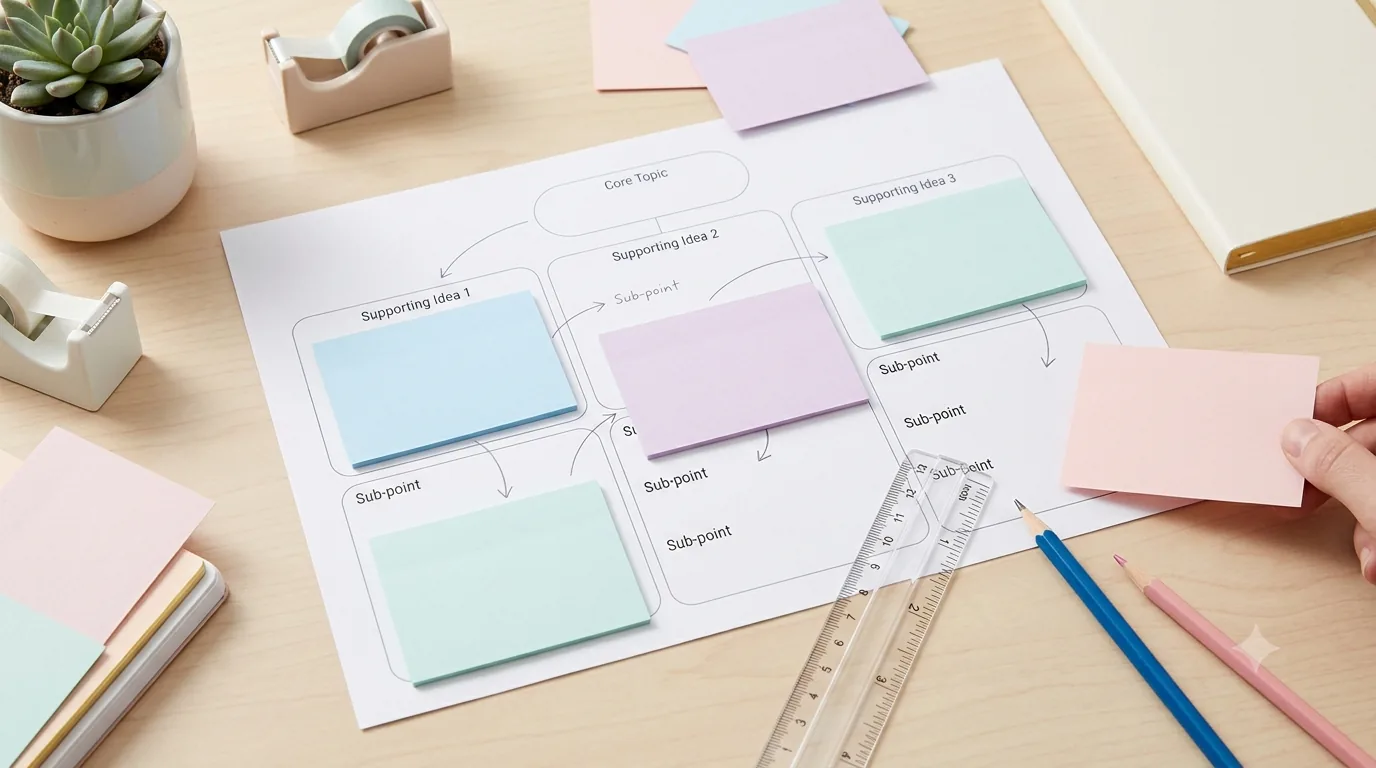
How to Use Graphic Organizers Effectively (Without Turning Them Into Busywork)
Learn how to choose, model, scaffold, and reuse graphic organizers so students think with them instead of simply filling in boxes.
Read guide →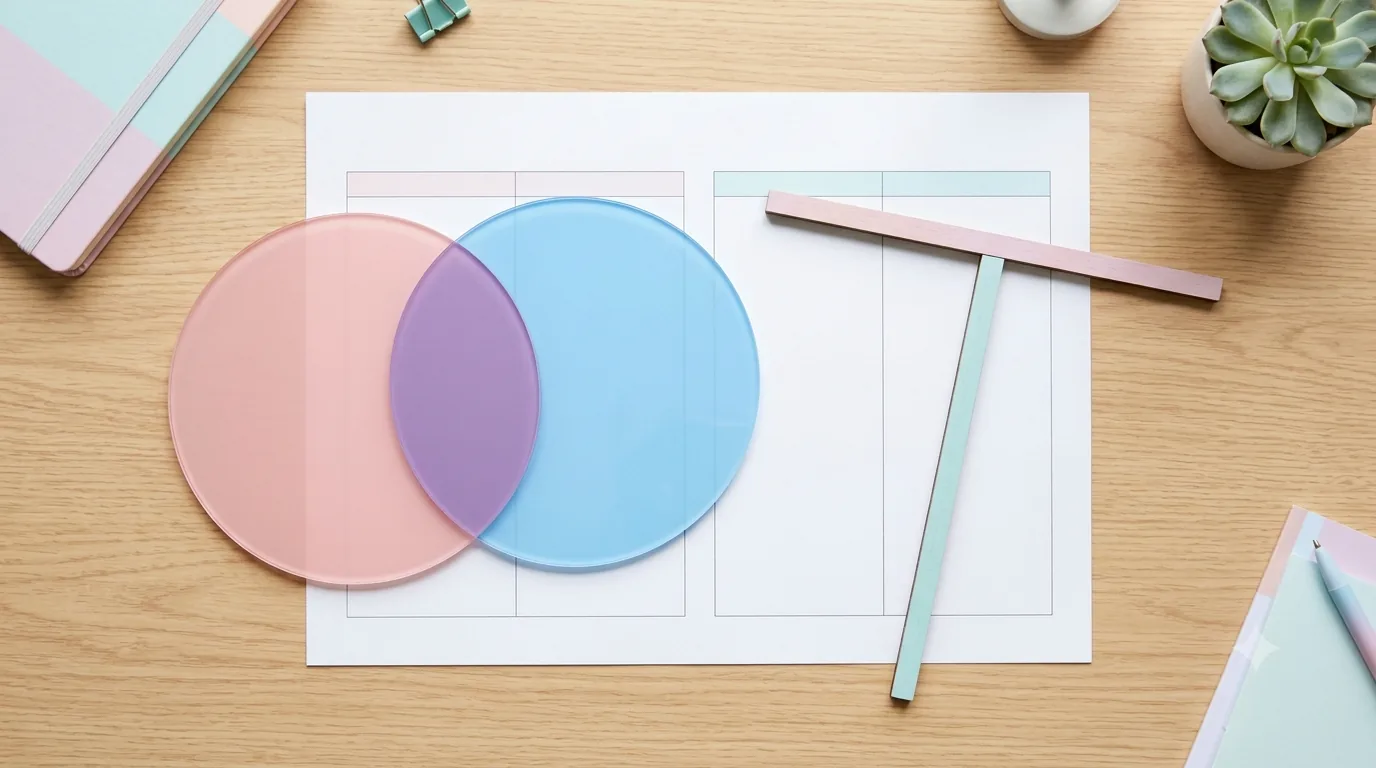
Venn Diagram vs. T-Chart: Which One Should You Use?
Compare Venn diagrams and T-charts, see when each organizer works best, and use a simple decision rule for reading, writing, and classroom tasks.
Read guide →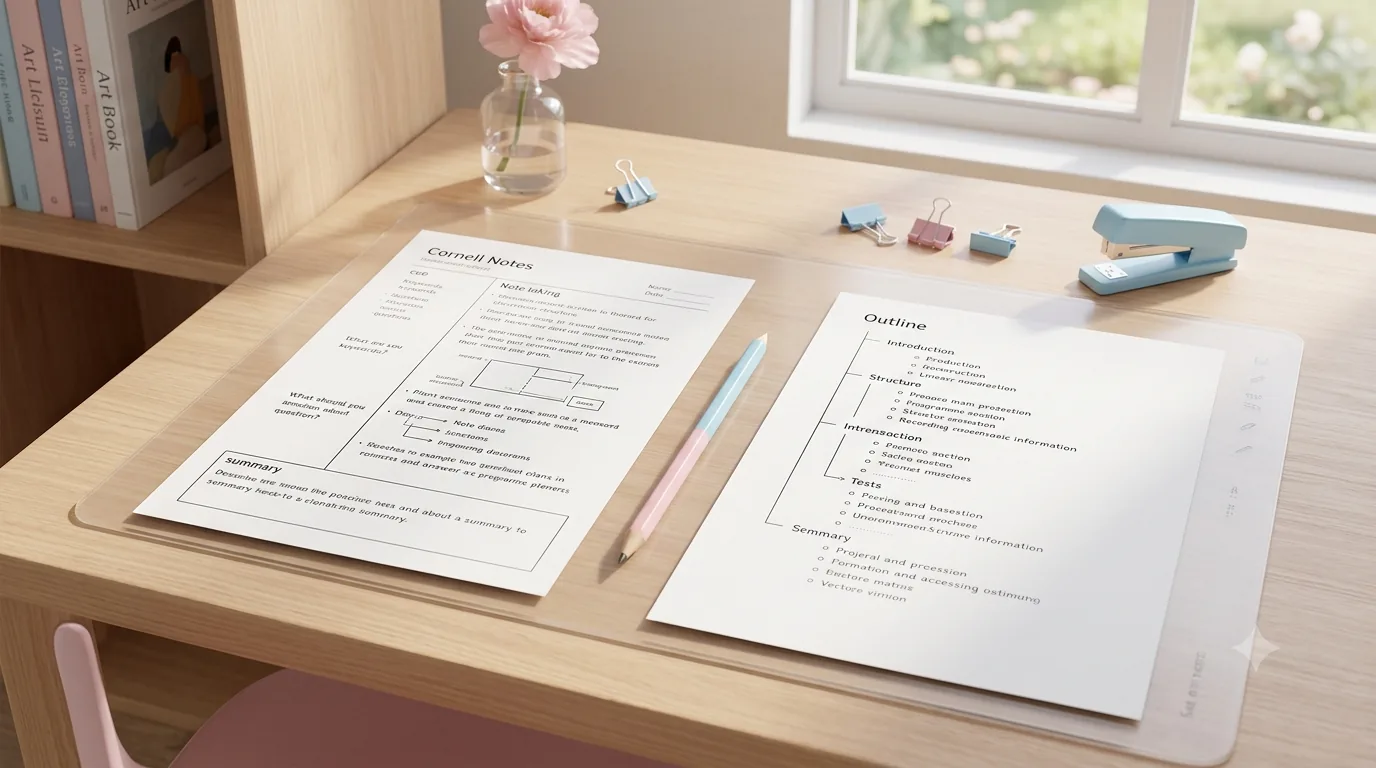
Cornell Notes vs. Outline Method: Which Is Better for Studying?
Compare Cornell notes with the outline method for lectures, textbooks, studying, review, and self-testing, then choose the format that fits the task.
Read guide →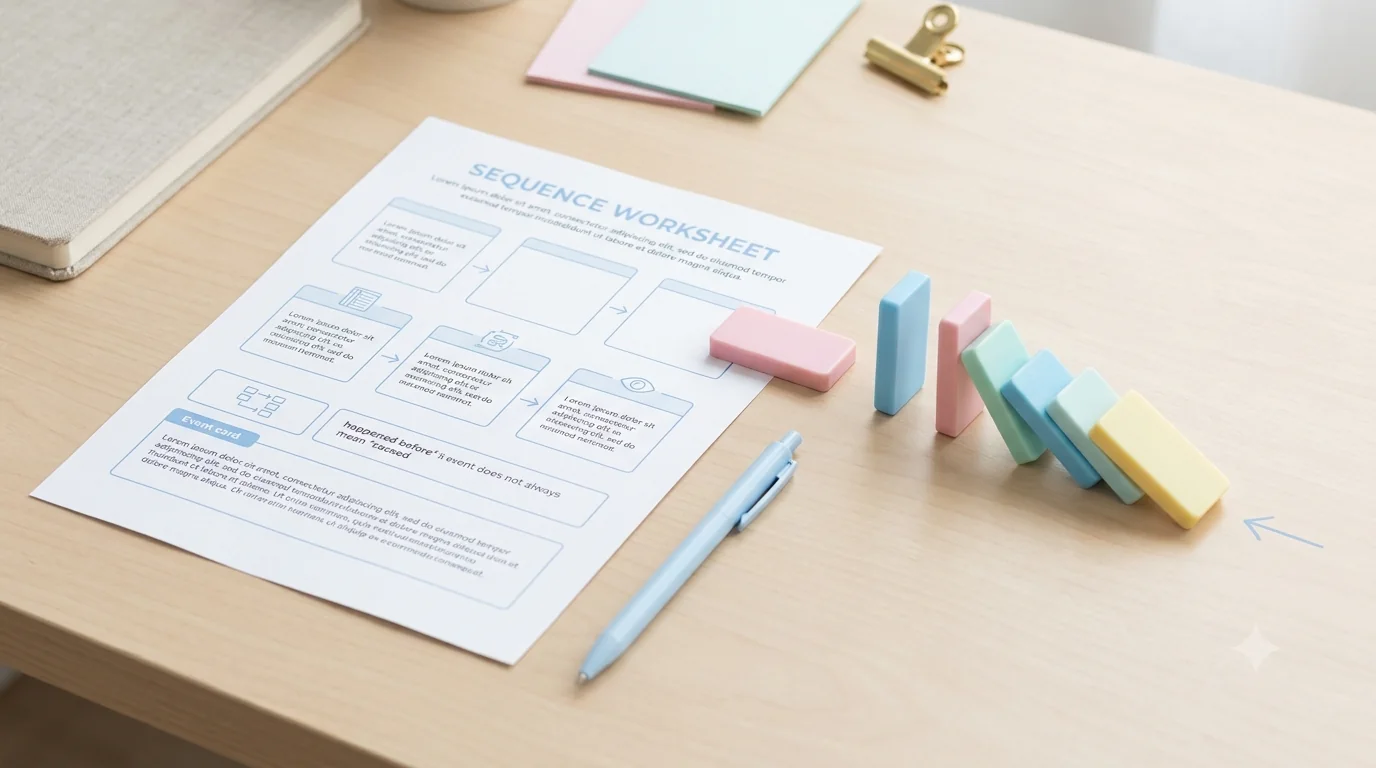
Cause and Effect vs. Sequence: How to Tell the Difference
Learn the difference between cause and effect and sequence, spot each text structure, and choose the right graphic organizer for reading or writing.
Read guide →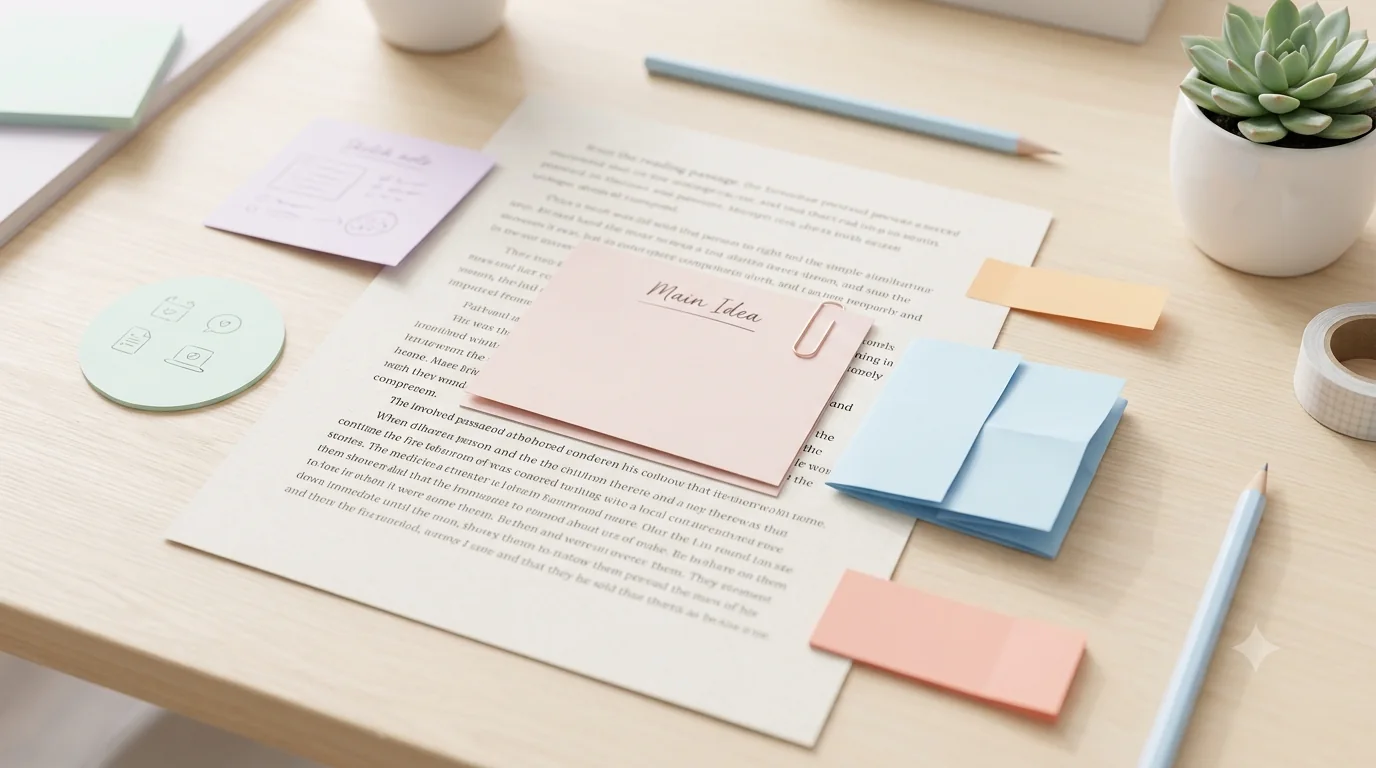
Main Idea vs. Summary: What's the Difference?
Learn the difference between main idea and summary, see worked examples, and use main idea plus key details to build a concise summary.
Read guide →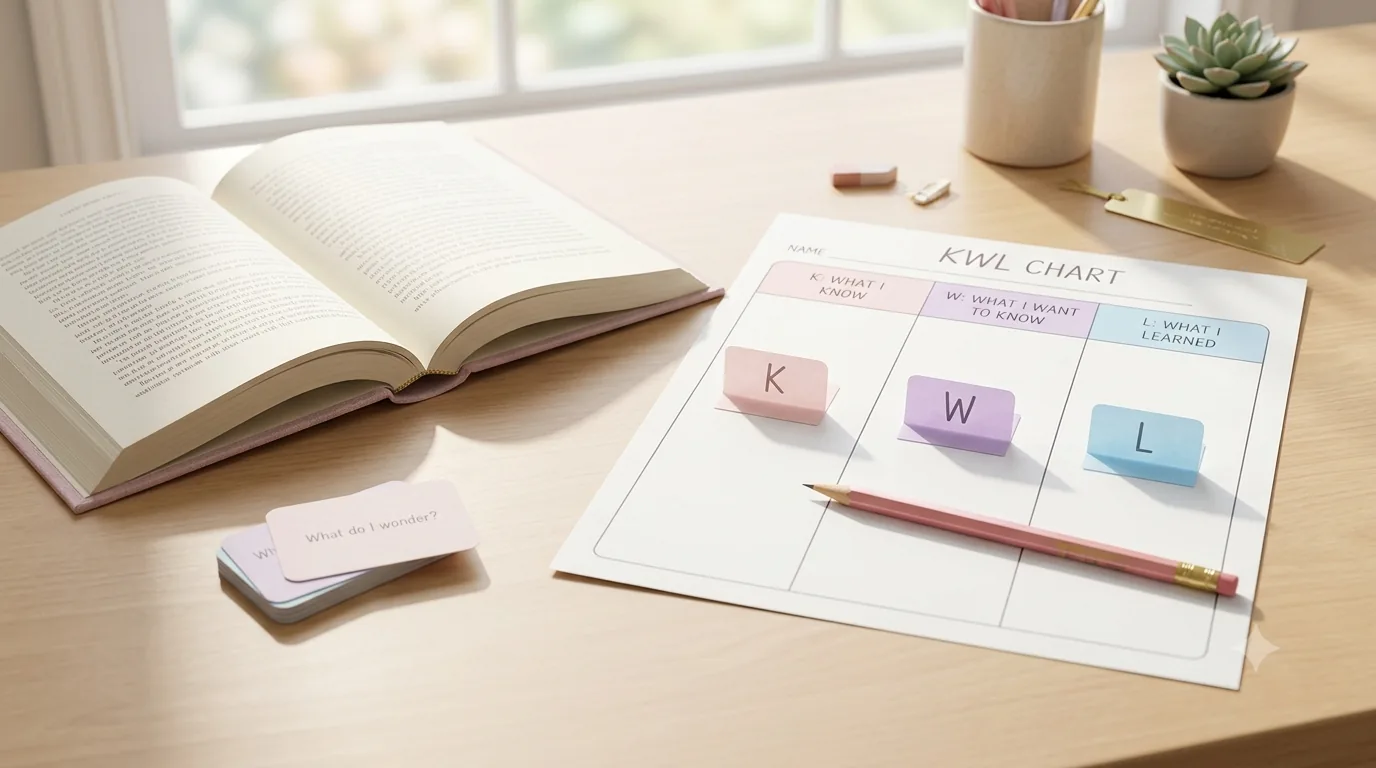
How to Use a KWL Chart Before, During, and After Reading
Learn how to use a KWL chart before, during, and after reading, with practical prompts, a worked example, and fixes for common KWL mistakes.
Read guide →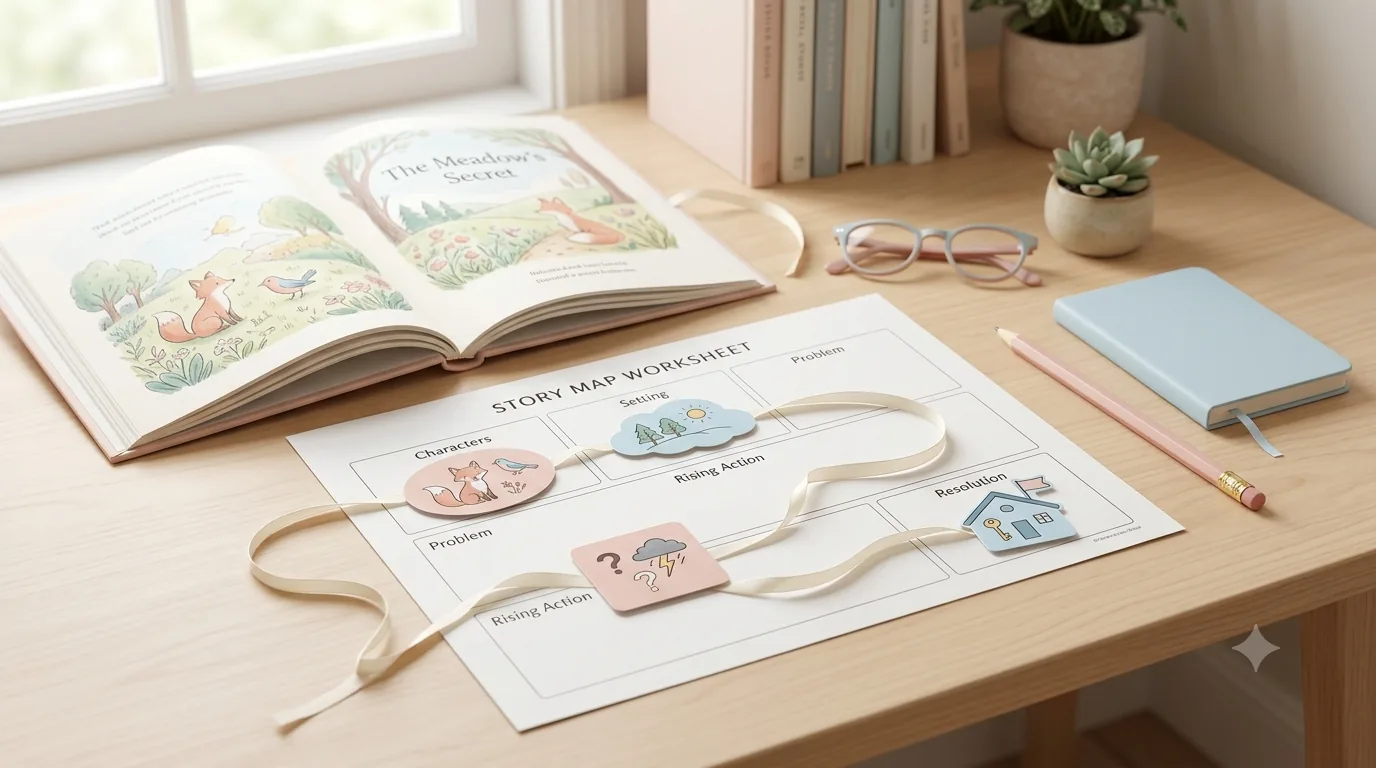
How to Use a Story Map for Better Reading Comprehension
Learn how to use a story map for characters, setting, problem, key events, and resolution, with a worked example and common fixes.
Read guide →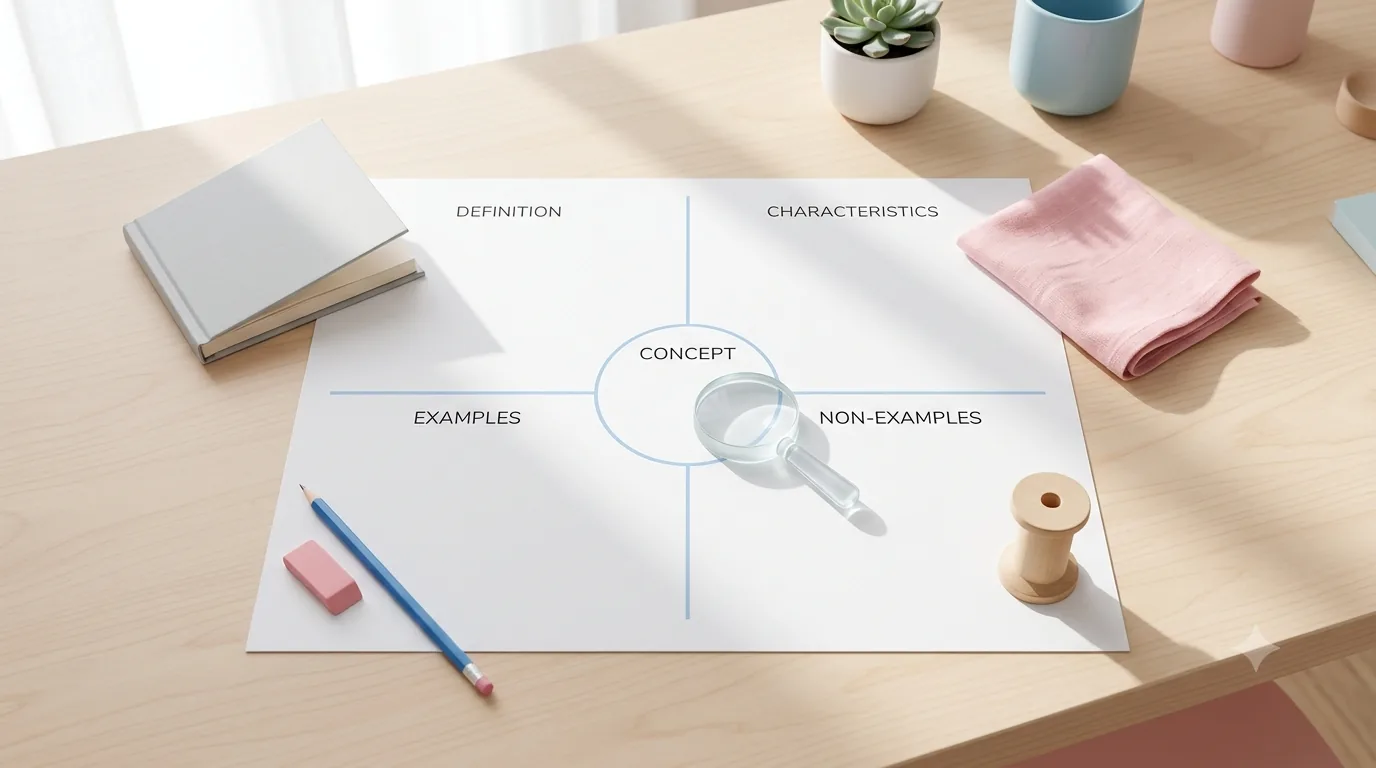
How to Use a Frayer Model for Vocabulary and Concepts
Learn how to use a Frayer Model with definitions, characteristics, examples, and non-examples, plus worked examples and common fixes.
Read guide →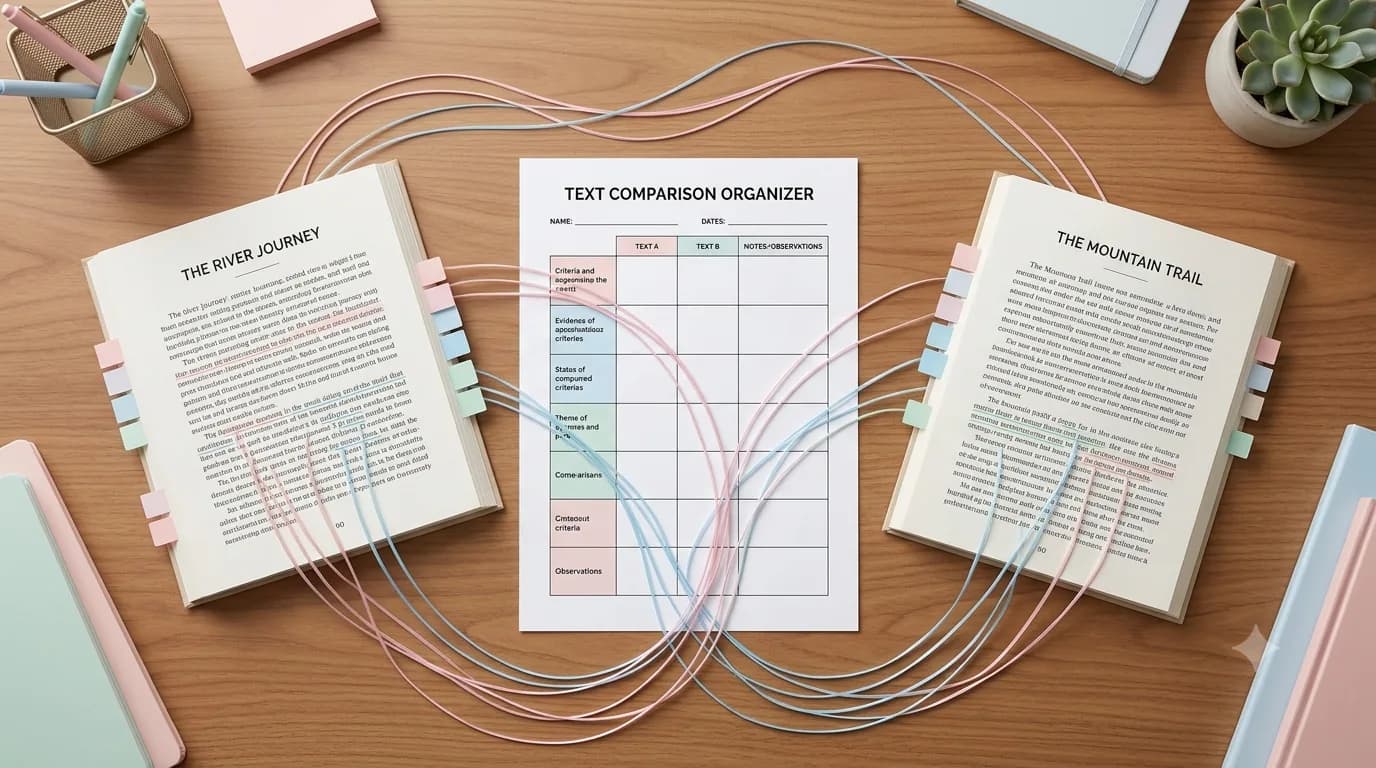
How to Compare and Contrast Two Texts Without Just Making a List
Learn how to compare and contrast two texts by matching criteria, gathering evidence, using a Venn diagram, and turning notes into a clear response.
Read guide →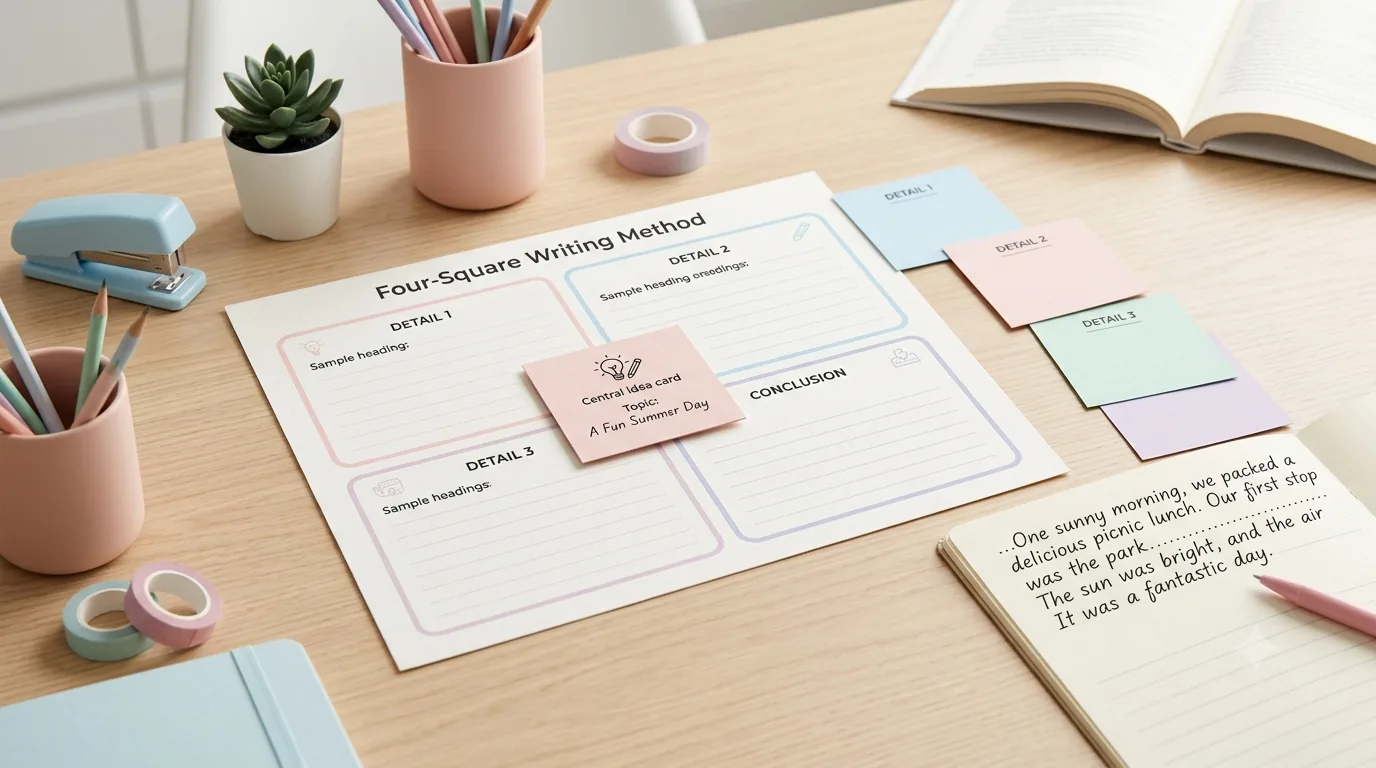
How to Use the Four-Square Writing Method to Plan a Paragraph
Learn how to use the four-square writing method to plan a focused paragraph, choose strong supports, and turn the organizer into a draft.
Read guide →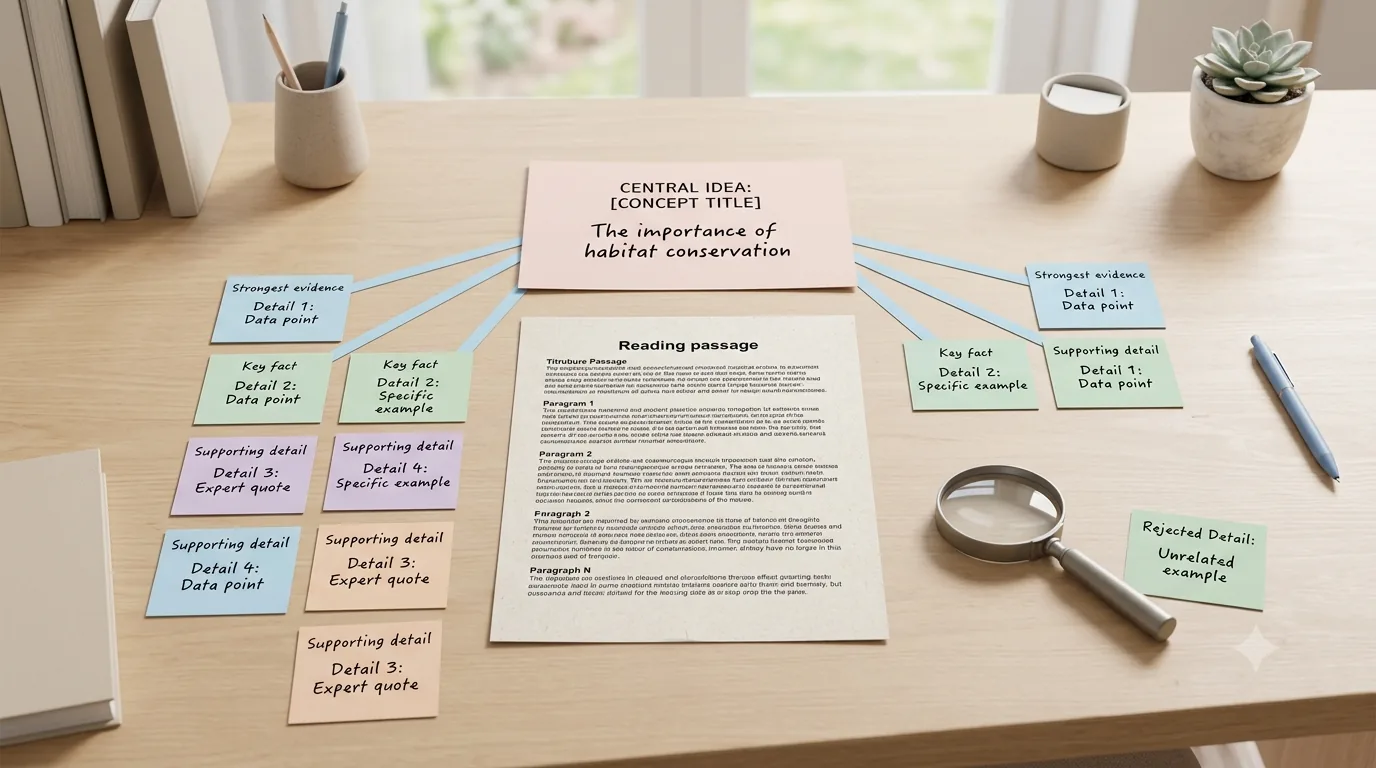
How to Find the Main Idea and Supporting Details in a Text
Learn how to find a text's main idea and supporting details with a step-by-step method, worked examples, and a free graphic organizer.
Read guide →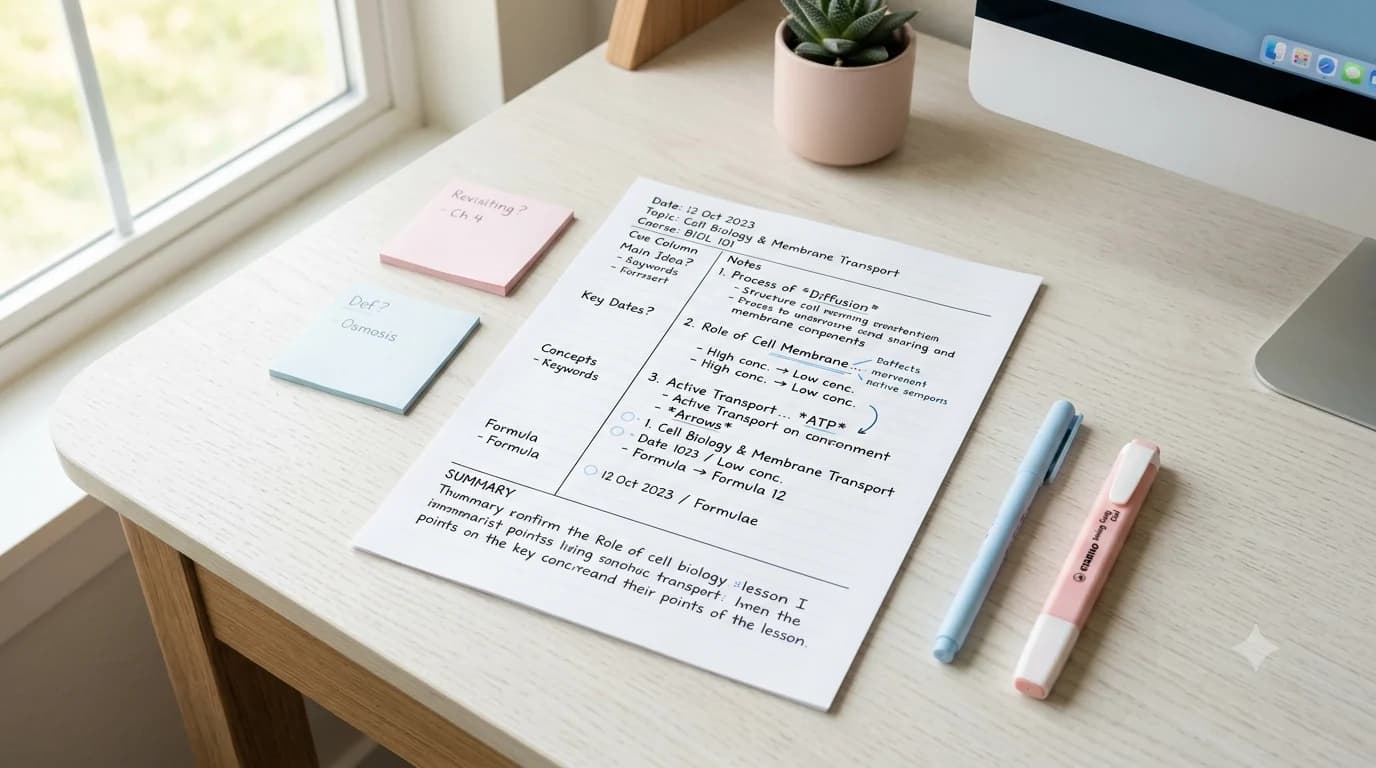
7 Cornell Notes Mistakes That Make the Method Less Useful
Fix seven common Cornell Notes mistakes, from empty cue columns to passive rereading, and turn each page into a practical study tool.
Read guide →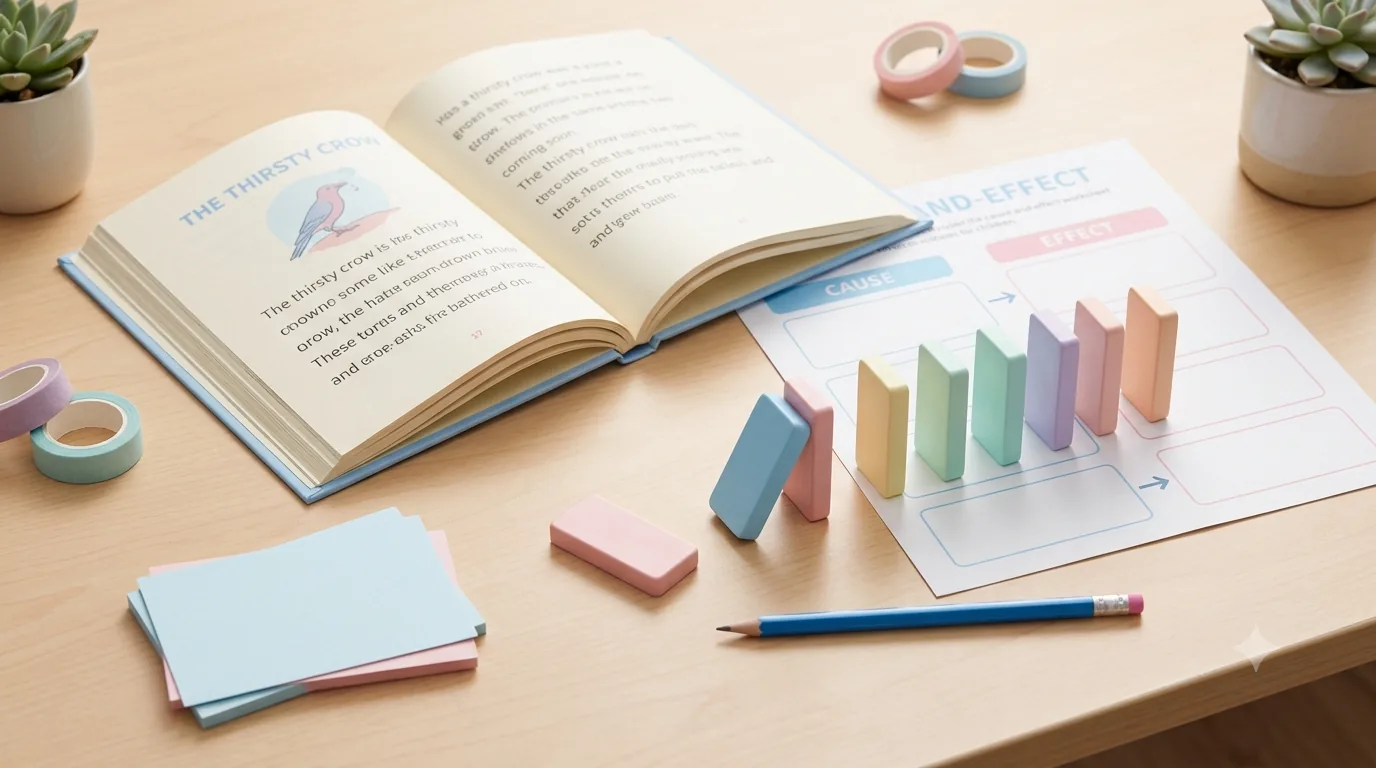
How to Teach Cause and Effect in Reading Without Teaching a Guessing Game
Teach cause and effect in reading with a practical routine for identifying real causal links, using evidence, and avoiding common student misconceptions.
Read guide →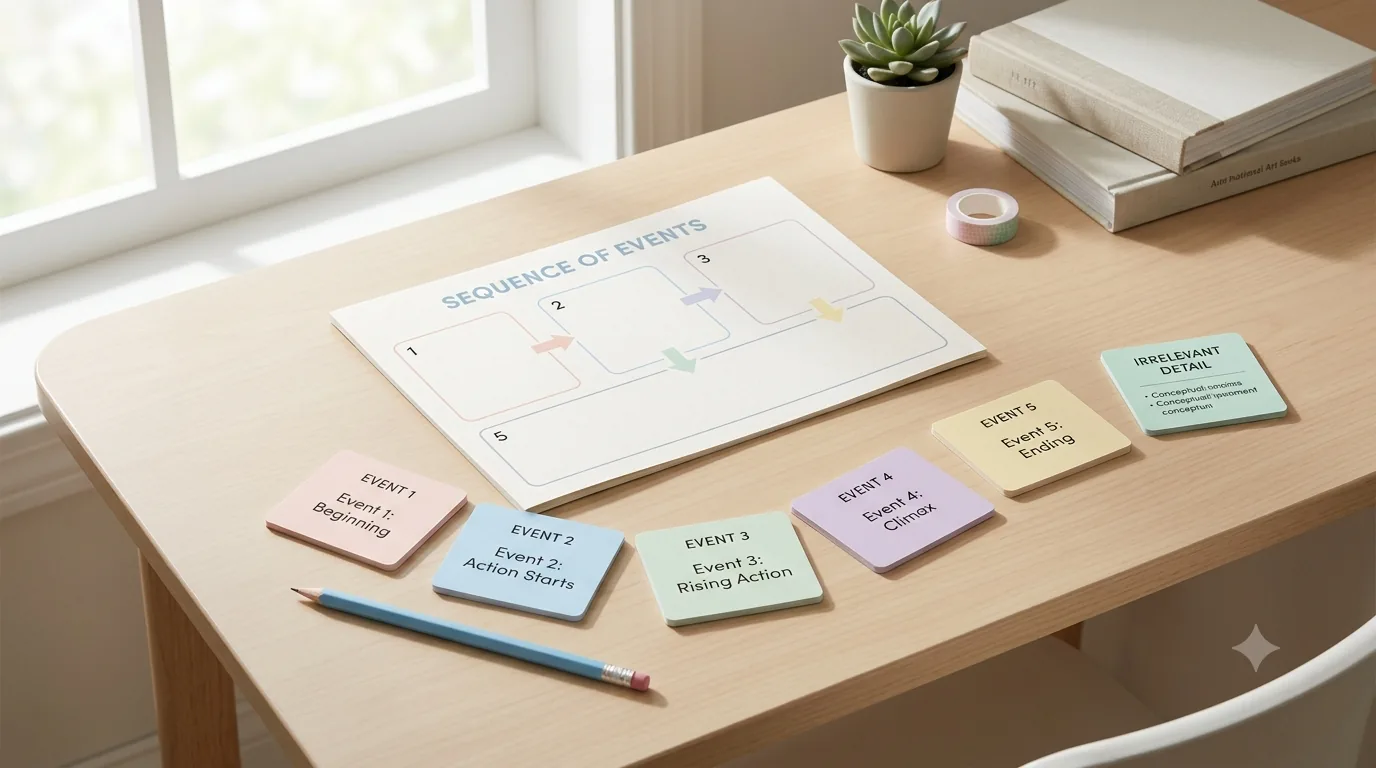
How to Teach Sequence of Events in Reading Beyond First, Next, Then, Last
Teach sequence of events in reading with a step-by-step routine for choosing key events, using order clues, retelling, and avoiding overloaded timelines.
Read guide →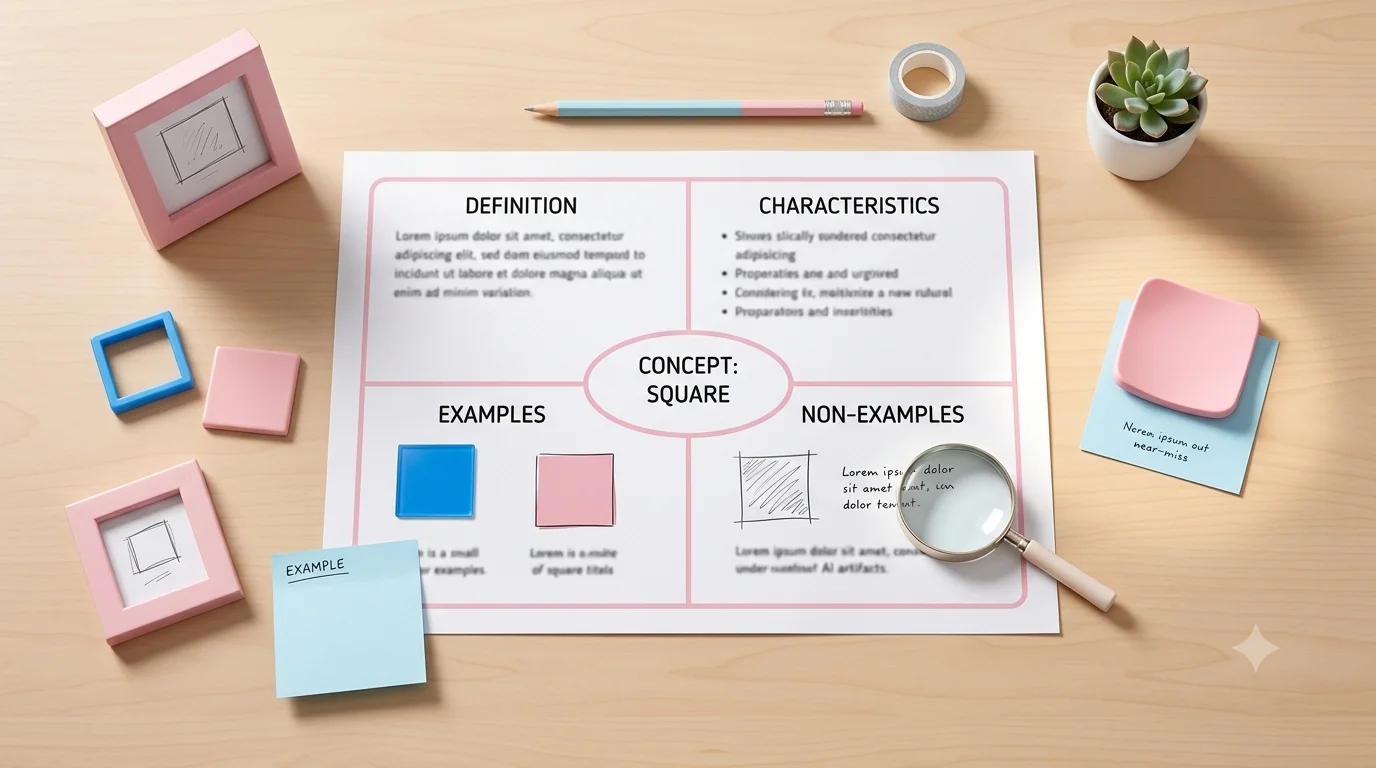
Frayer Model Examples and Non-Examples: How to Choose Ones That Actually Teach the Concept
Learn how to choose strong Frayer Model examples and non-examples, including near-misses, defining characteristics, and worked examples across subjects.
Read guide →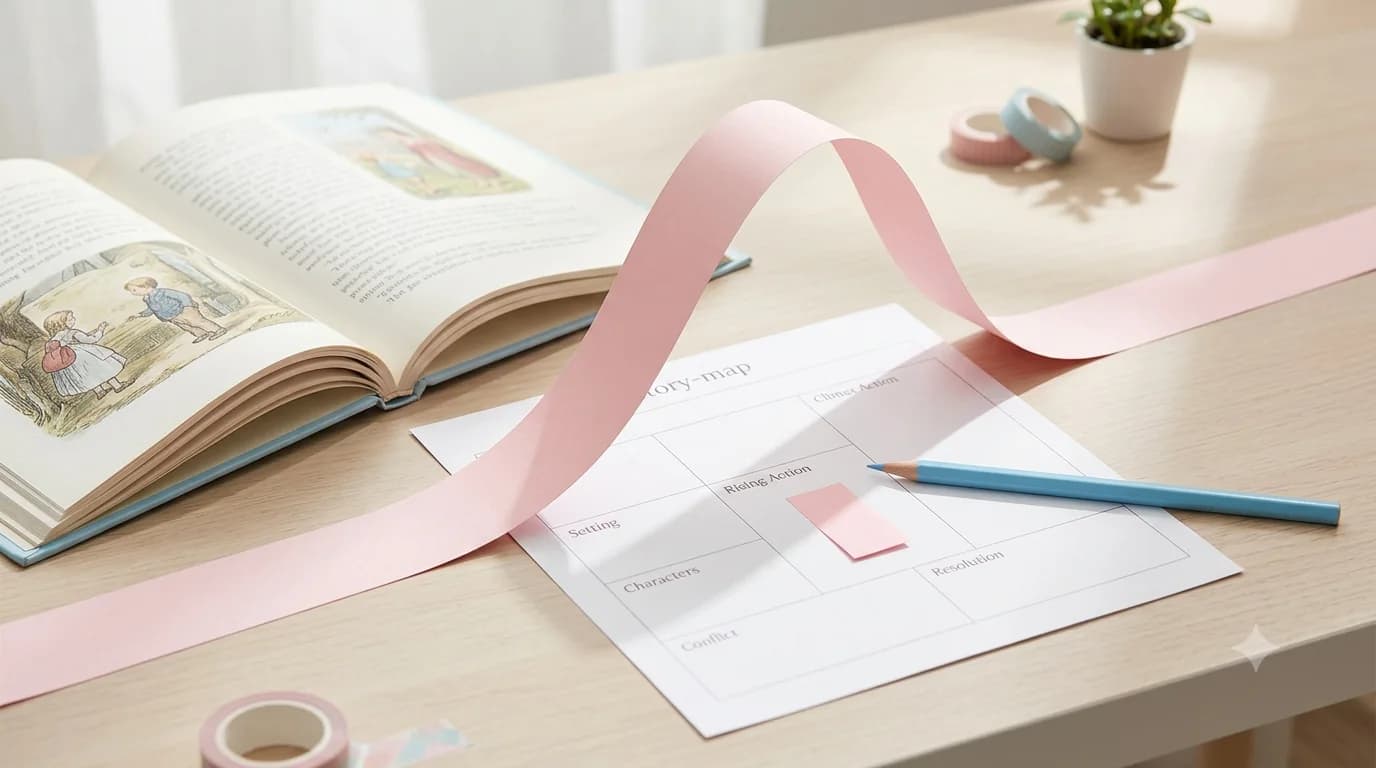
Story Map vs. Plot Diagram: Which Graphic Organizer Do You Need?
Compare story maps and plot diagrams, see what each organizer captures, and choose the right one for comprehension, retelling, or plot analysis.
Read guide →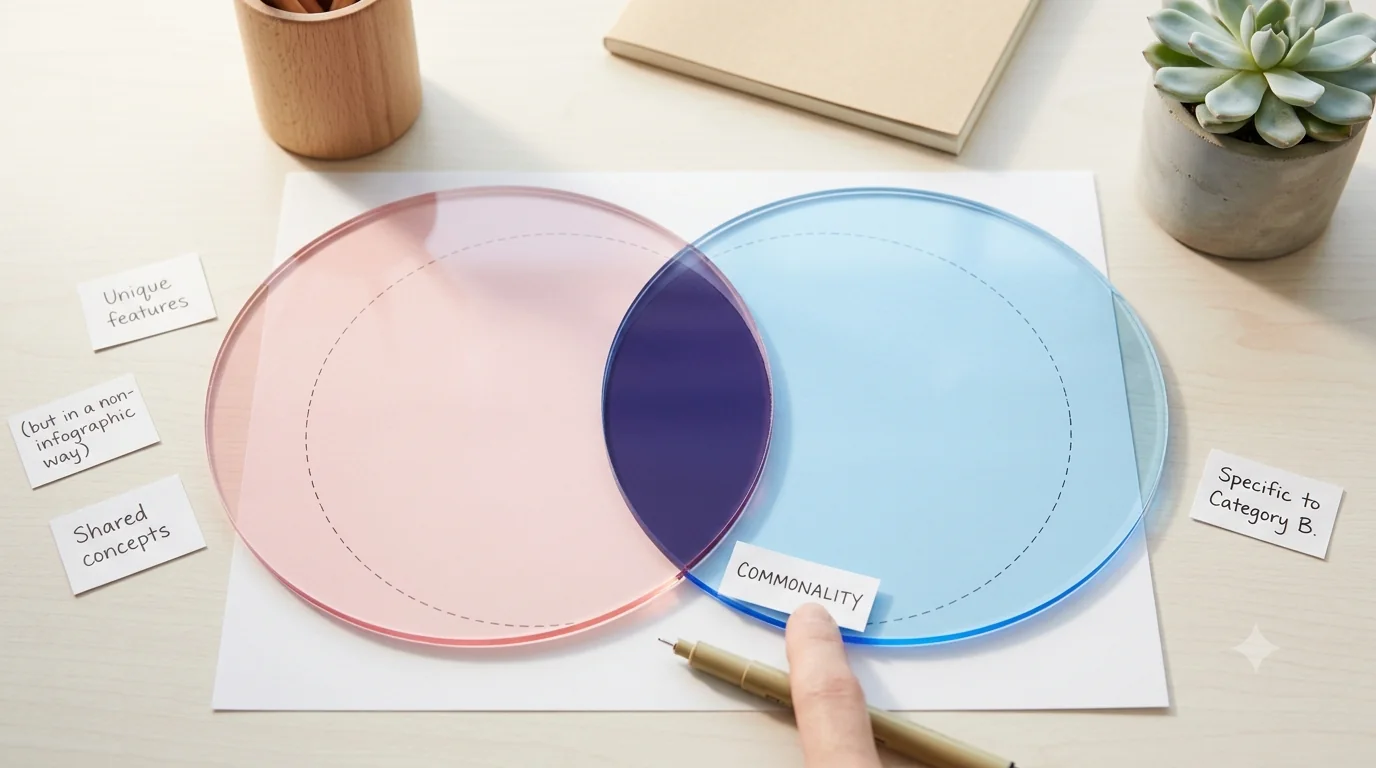
7 Venn Diagram Mistakes That Make Compare-and-Contrast Work Weaker
Fix seven common Venn diagram mistakes, from mismatched criteria to vague overlap, and turn the organizer into stronger compare-and-contrast thinking.
Read guide →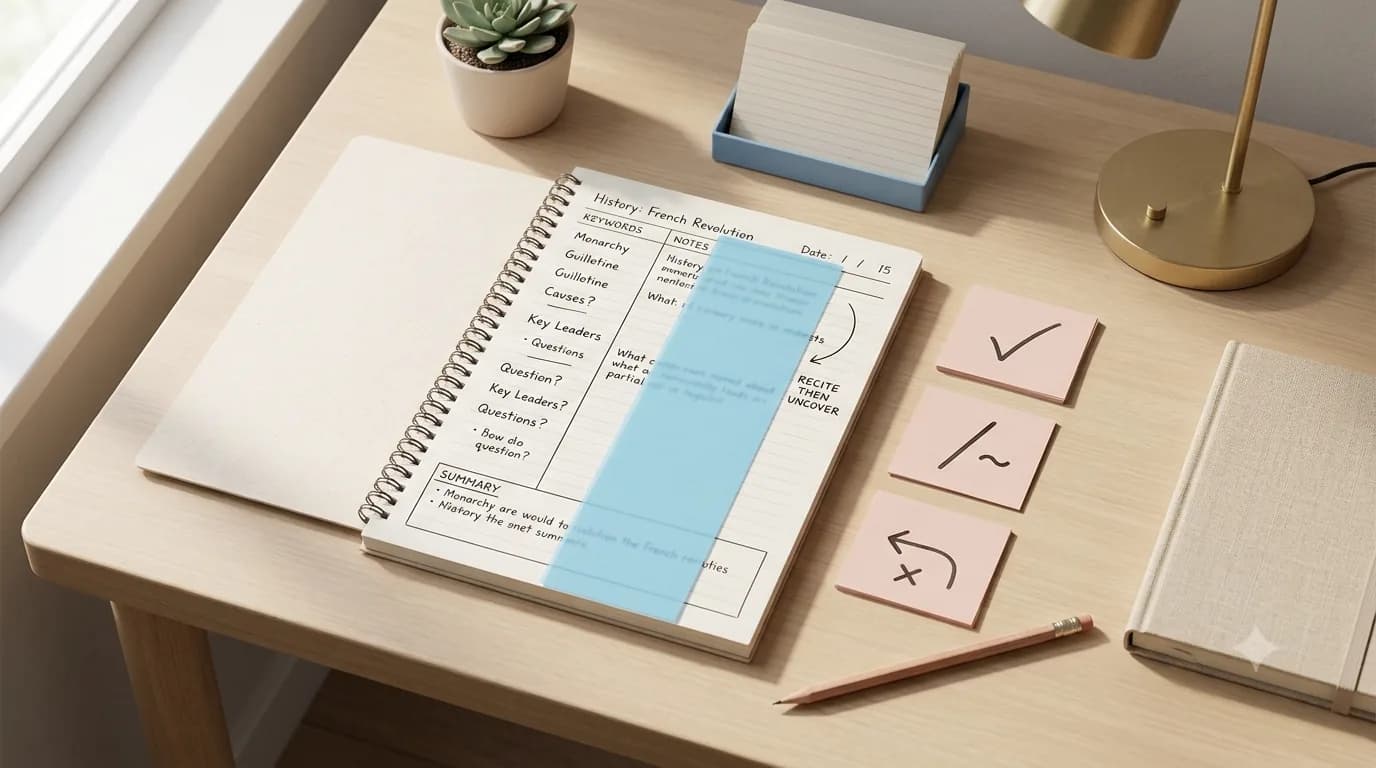
How to Review Cornell Notes: Turn the Cue Column Into a Weekly Study System
Review Cornell notes actively: write better cue questions, cover and recite, mark weak answers, summarize, and build a practical weekly study routine.
Read guide →How to Make Inferences From Text Without Guessing
Learn how to make inferences from text using clues, relevant background knowledge, evidence checks, and a simple worked example for reading practice.
Read guide →How to Use Text Evidence in a Reading Response
Learn how to choose, cite, and explain text evidence in a reading response without quote dumping, with a worked example and free evidence organizer.
Read guide →How to Write Claim, Evidence, Reasoning (CER)
Learn how to write a claim-evidence-reasoning (CER) explanation, choose relevant data, connect evidence with science ideas, and revise a weak response.
Read guide →How to Identify Theme in a Story Without Guessing
Learn how to identify theme from repeated details, character choices, conflict, and evidence—not a one-word topic—with a worked example and free organizer.
Read guide →How to Determine Point of View in a Story
Learn how to identify first person, third-person limited, and third-person omniscient point of view using narrator clues, knowledge limits, and evidence.
Read guide →How to Use Context Clues to Figure Out Word Meaning
Use context clues to infer an unfamiliar word, test the meaning in the sentence, and recognize when the text is too weak and a reference is needed.
Read guide →How to Identify Informational Text Structure
Learn how to identify description, sequence, cause/effect, compare/contrast, and problem/solution from idea relationships—not signal words alone.
Read guide →How to Outline an Essay Before You Draft
Learn how to outline an essay from prompt to working thesis, body points, evidence, order, and conclusion without forcing every paper into five paragraphs.
Read guide →