Focused printable collection
Free Study & Note-Taking Printables
Free note-taking and study printables for Cornell notes, research source notes, concept learning, prior-knowledge questions, and active review.
Study printables should make review easier later, not simply make notes look organized in the moment. Cornell notes are built around a wide notes area, a cue column that can become self-test questions, and a short summary. KWL and Frayer pages serve different jobs: KWL helps frame what is known and what needs to be learned, while Frayer helps define a concept by its characteristics, examples, and non-examples.
Use this collection when the main task is learning, remembering, or reviewing information over time. The related guides focus on how to turn page structure into retrieval practice, how to avoid passive copying, and when another note format may fit the course better. A template can support a study system, but the repeated review behavior is what makes the system useful.
Keep the workflow light enough to repeat. After class or reading, clarify the page, write useful prompts, and summarize the central idea. During review, cover the main notes and answer from the cue or concept prompts before checking. Mark weak areas and return to those first instead of rereading every page equally.
7 free downloads
Printables in this collection
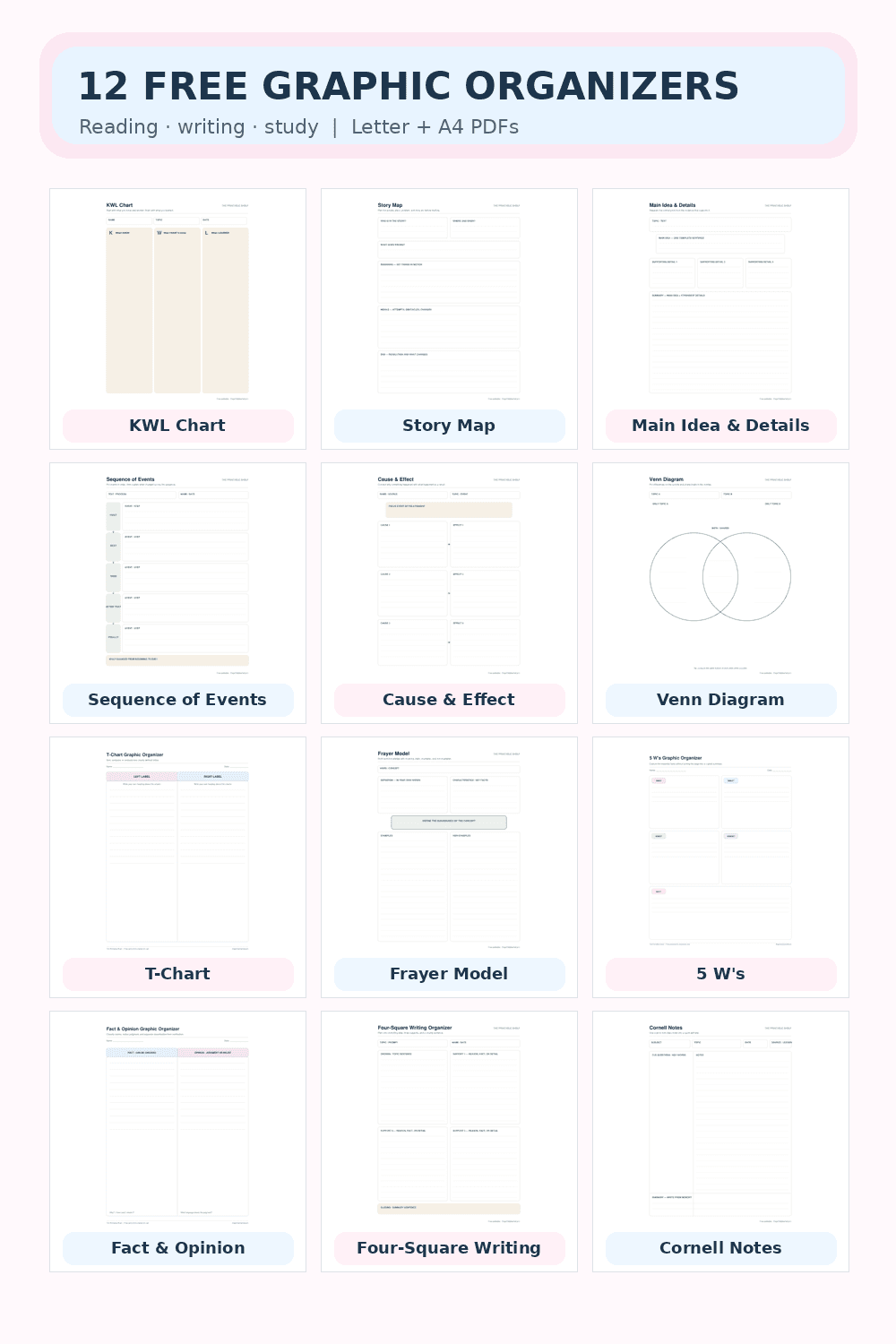
Free 12-page pack
12 Graphic Organizers Printable Pack
A single 12-page PDF collection built from the most broadly useful organizers in The Printable Shelf's Work & Study library. Instead of downloading twelve separate files, you can print the whole set, keep a classroom or homeschool master copy, or choose only the pages that match the thinking task in front of you.
Free printable
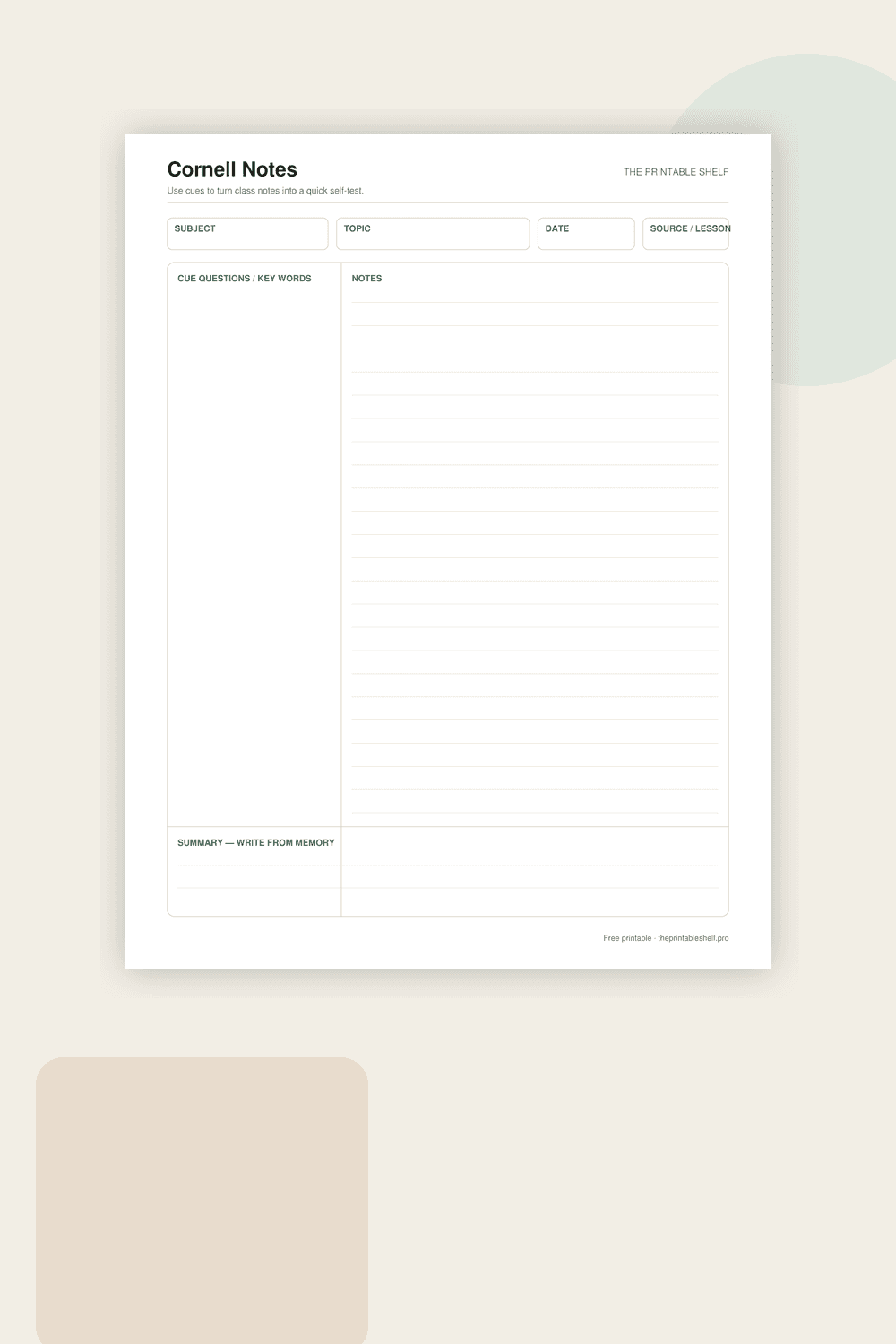
Printable Cornell Notes Template
A one-page Cornell note-taking sheet designed for classes, lectures, reading, and self-study. The narrow left column is for cue questions and key words, the wide right side is for the main notes, and the bottom summary box gives you a built-in review step instead of leaving the page as passive notes.
Free printable
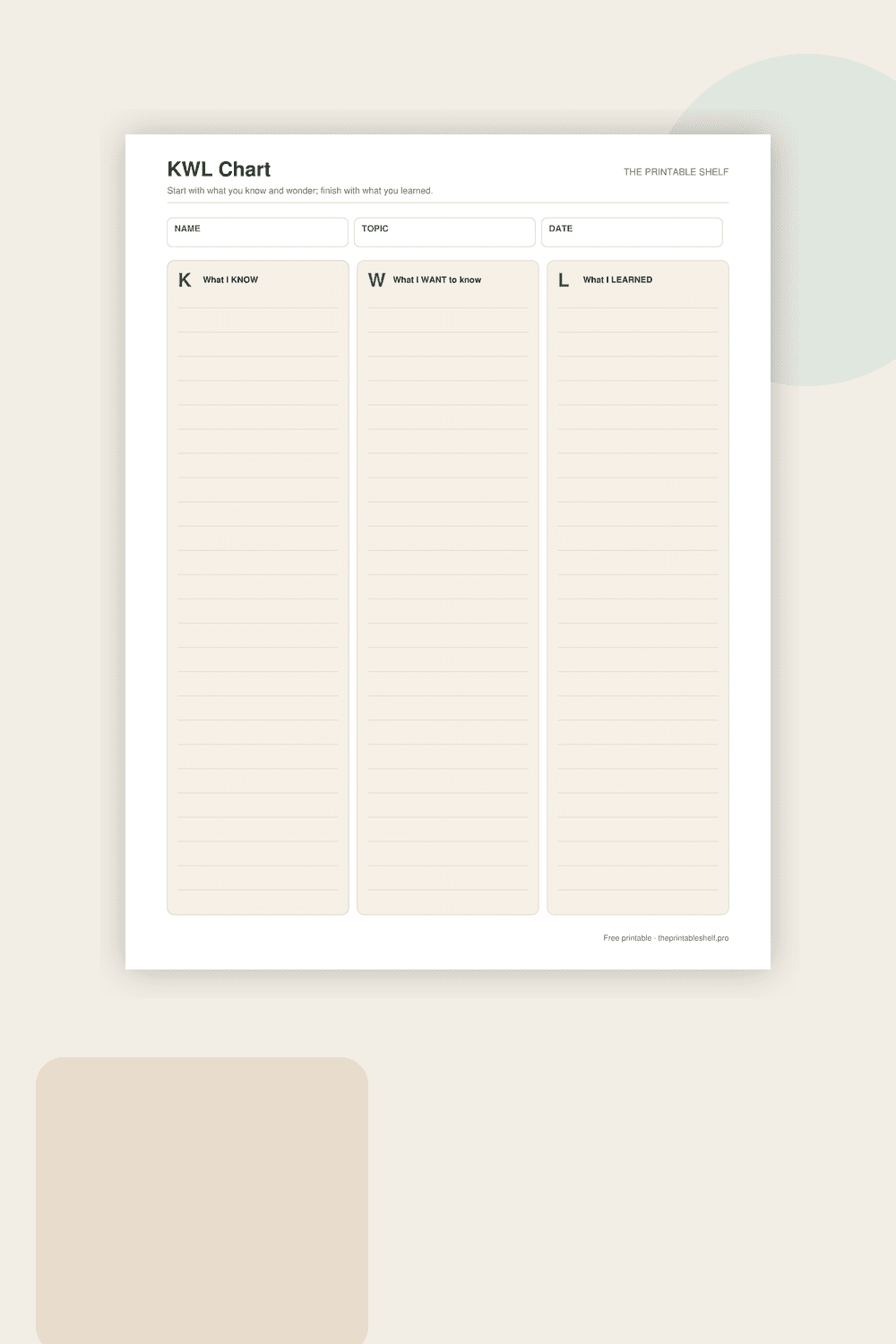
Printable KWL Chart
A three-column learning organizer for activating prior knowledge and making questions visible before a lesson begins. The K column records what the learner thinks they know, W captures questions or wonderings, and L is completed afterward with new information, corrections, and answers discovered during learning.
Free printable
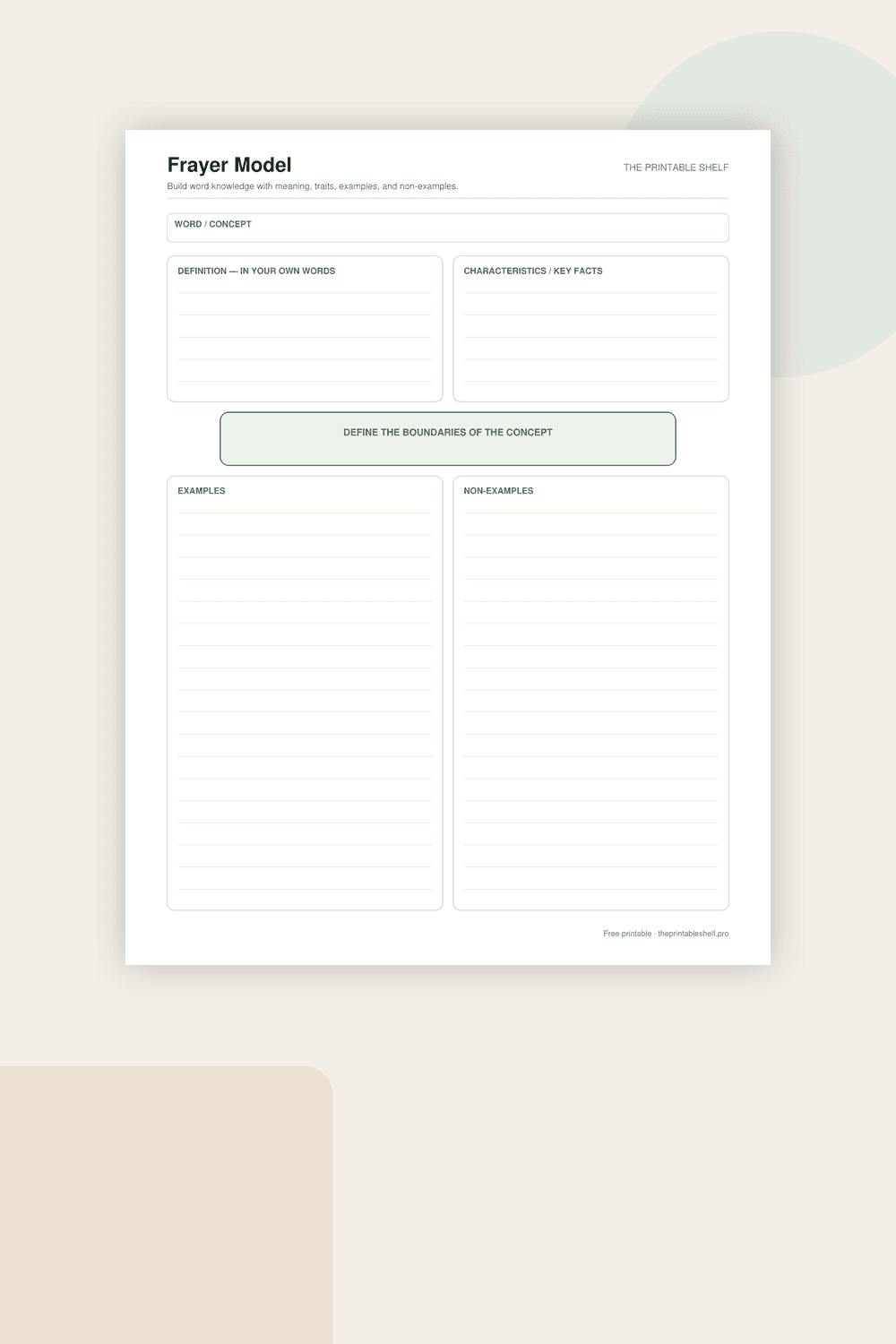
Printable Frayer Model Vocabulary Template
A classic four-part vocabulary and concept organizer upgraded from the site's older vocabulary map. Instead of stopping at a copied definition, the page asks for defining traits, clear examples, and deliberate non-examples, which helps learners distinguish what belongs to a concept from what only looks similar.
Free printable
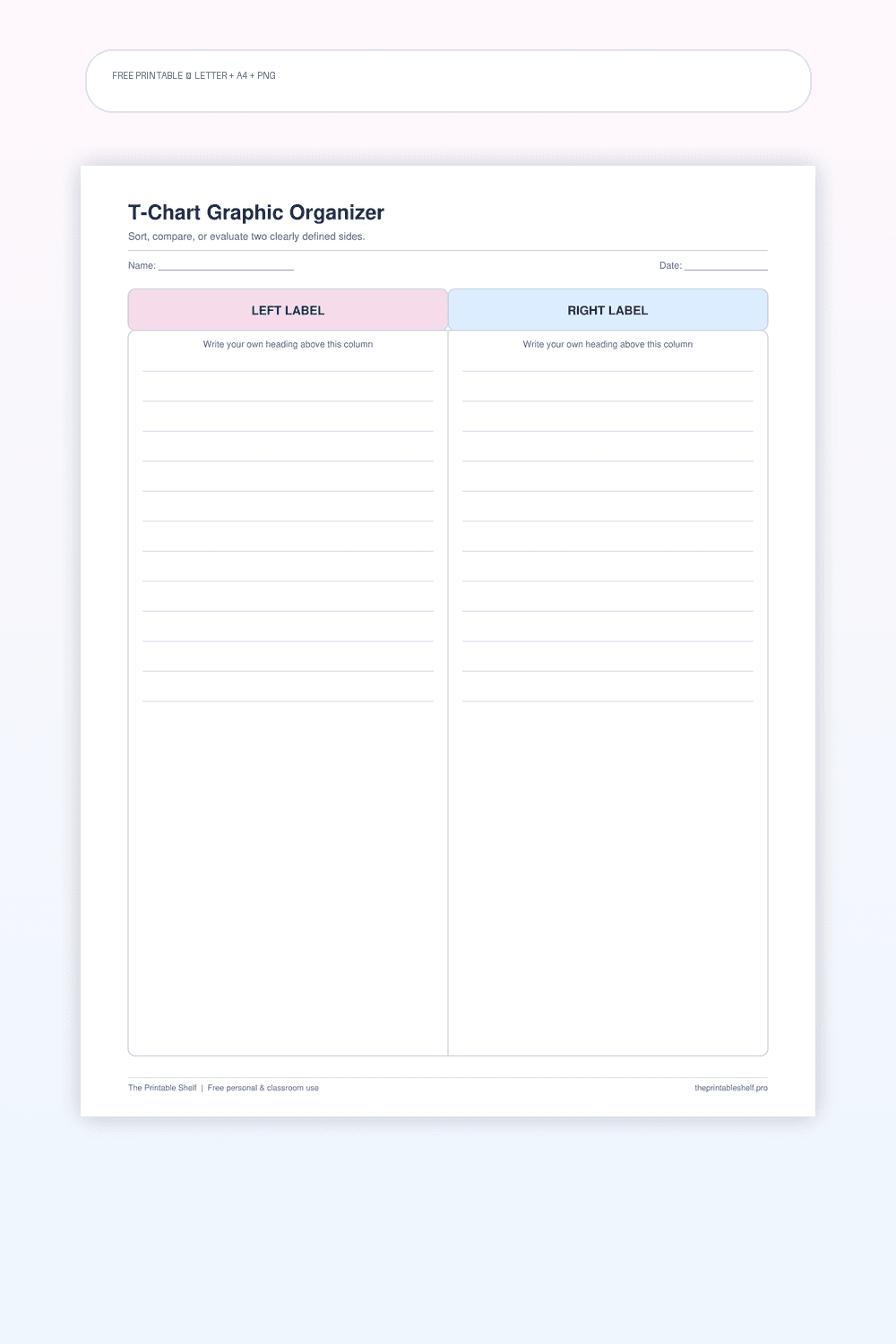
Printable T-Chart Graphic Organizer
A clean two-column thinking sheet that can be relabeled for dozens of school, study, and planning tasks. Unlike a compare-and-contrast organizer with fixed prompts, a T-chart stays intentionally open: the user decides what the two sides mean, which makes it useful for classification, decision-making, text evidence, observation, and quick note sorting.
Free printable
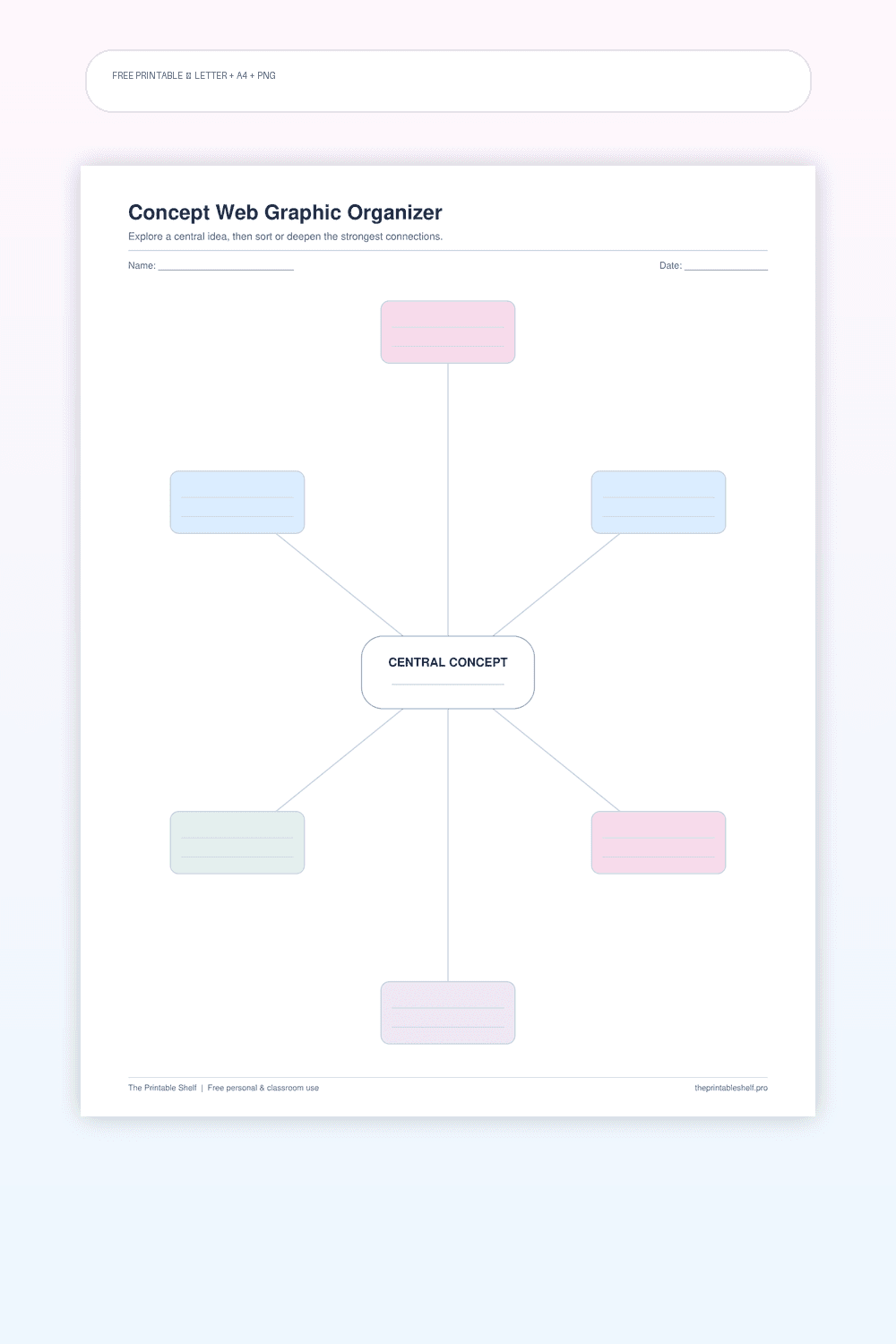
Concept Web Graphic Organizer
A radial organizer with one central concept and multiple surrounding branches. Unlike a main-idea-and-details sheet, the surrounding ideas do not all have to function as evidence for one sentence. The web is better for exploring a topic broadly, grouping associations, and making relationships visible before the user decides how the information should be ordered.
Free printable
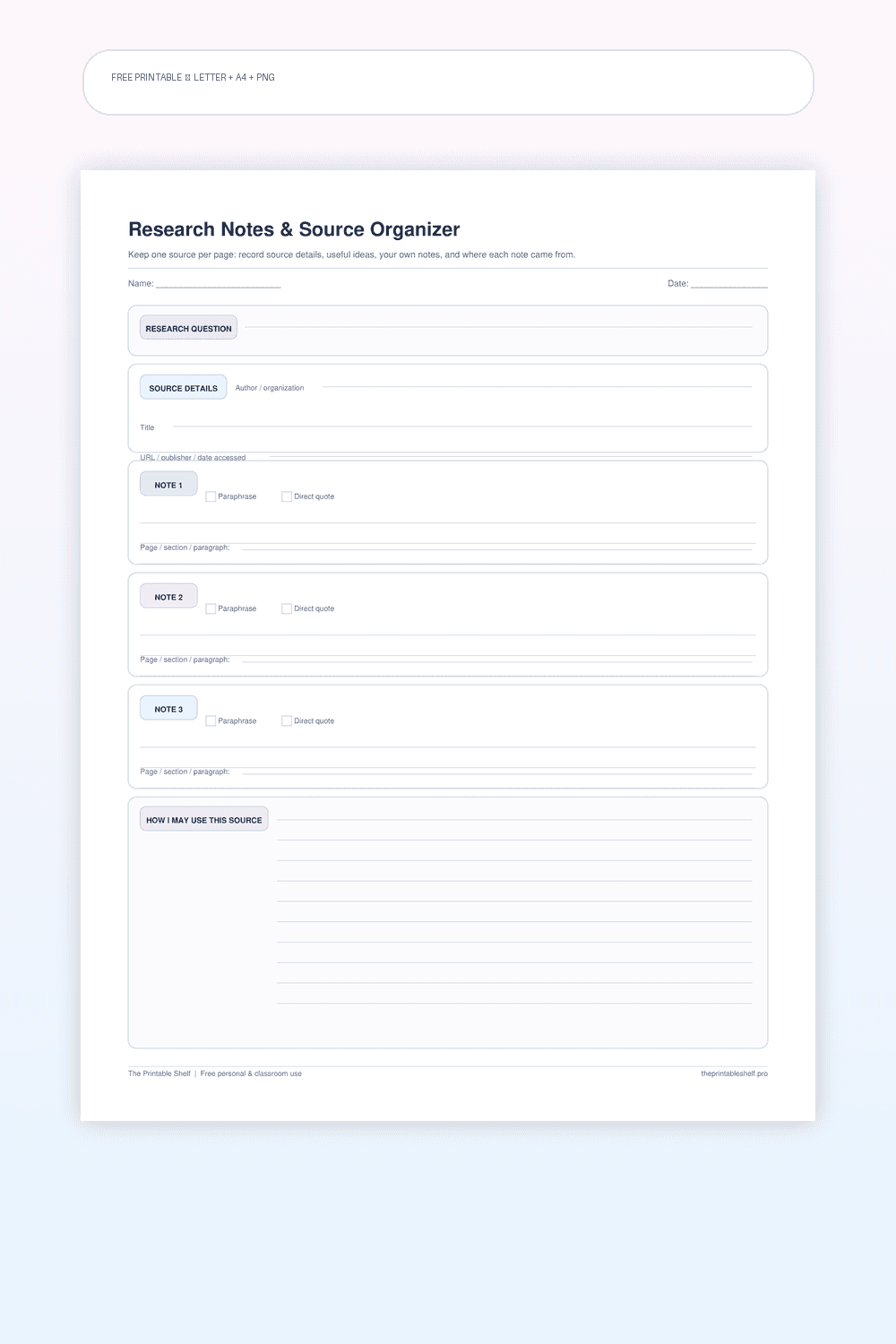
Research Notes and Source Organizer Printable
A source-based note-taking sheet for research projects. The layout is intentionally organized around one source at a time so writers can preserve where information came from while deciding which notes are useful. It is a planning aid, not an automatic citation generator or substitute for the citation style required by an assignment.
Use the templates well
Related guides
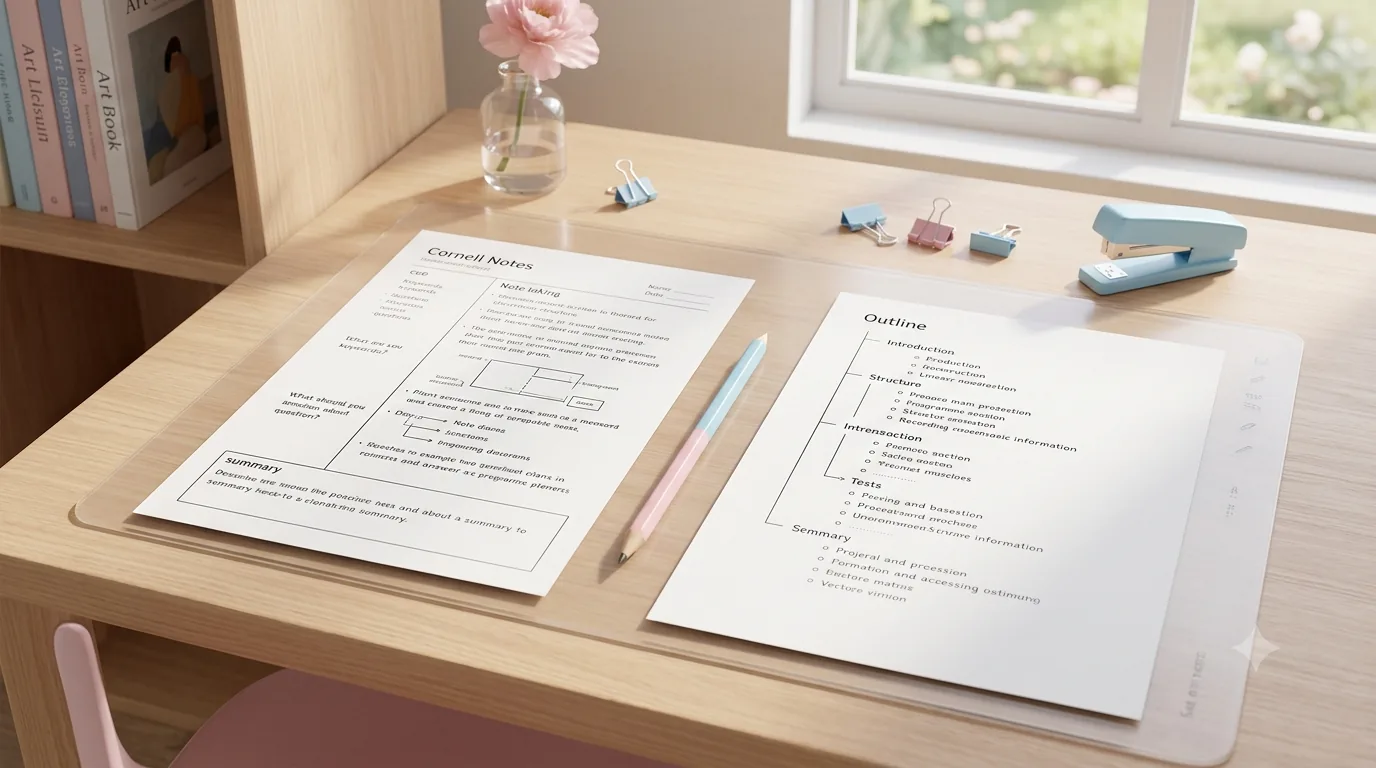
Cornell Notes vs. Outline Method: Which Is Better for Studying?
Compare Cornell notes with the outline method for lectures, textbooks, studying, review, and self-testing, then choose the format that fits the task.
Read guide →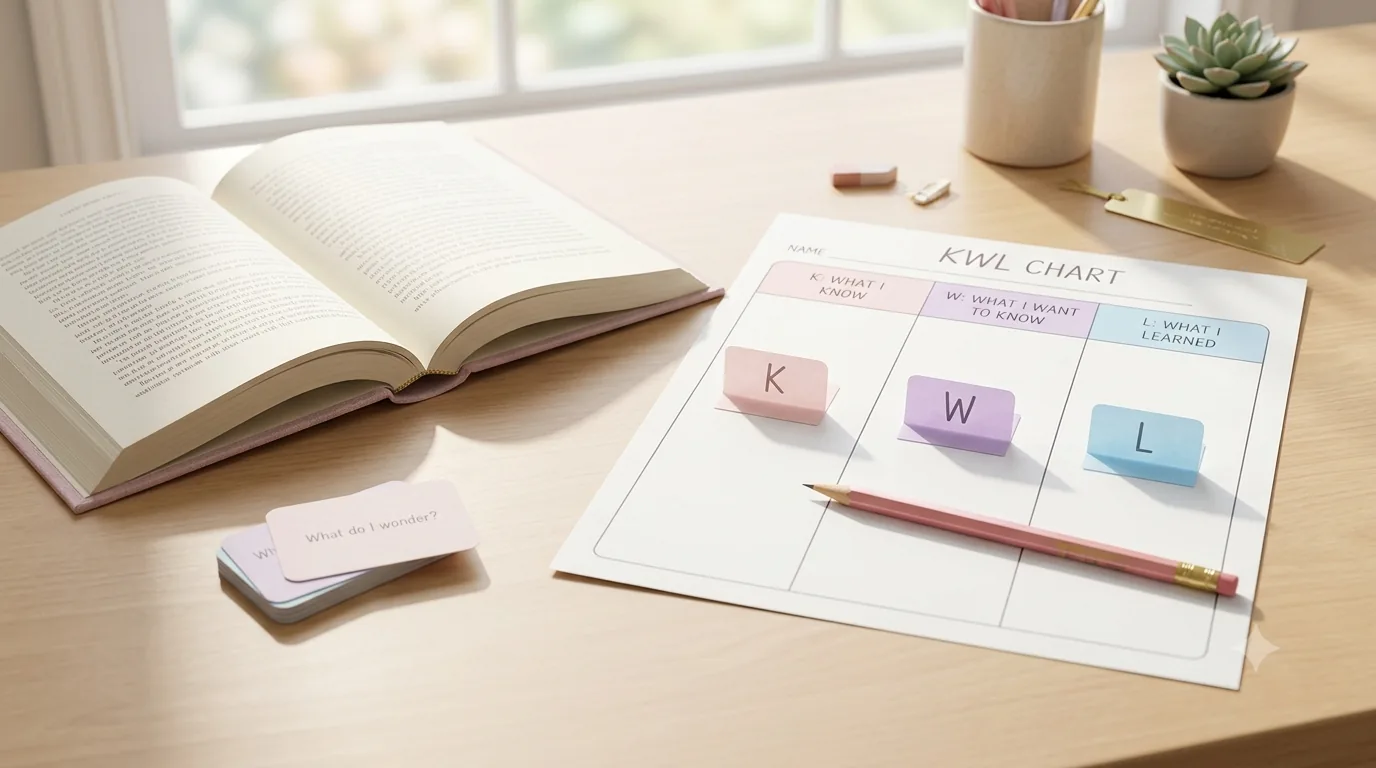
How to Use a KWL Chart Before, During, and After Reading
Learn how to use a KWL chart before, during, and after reading, with practical prompts, a worked example, and fixes for common KWL mistakes.
Read guide →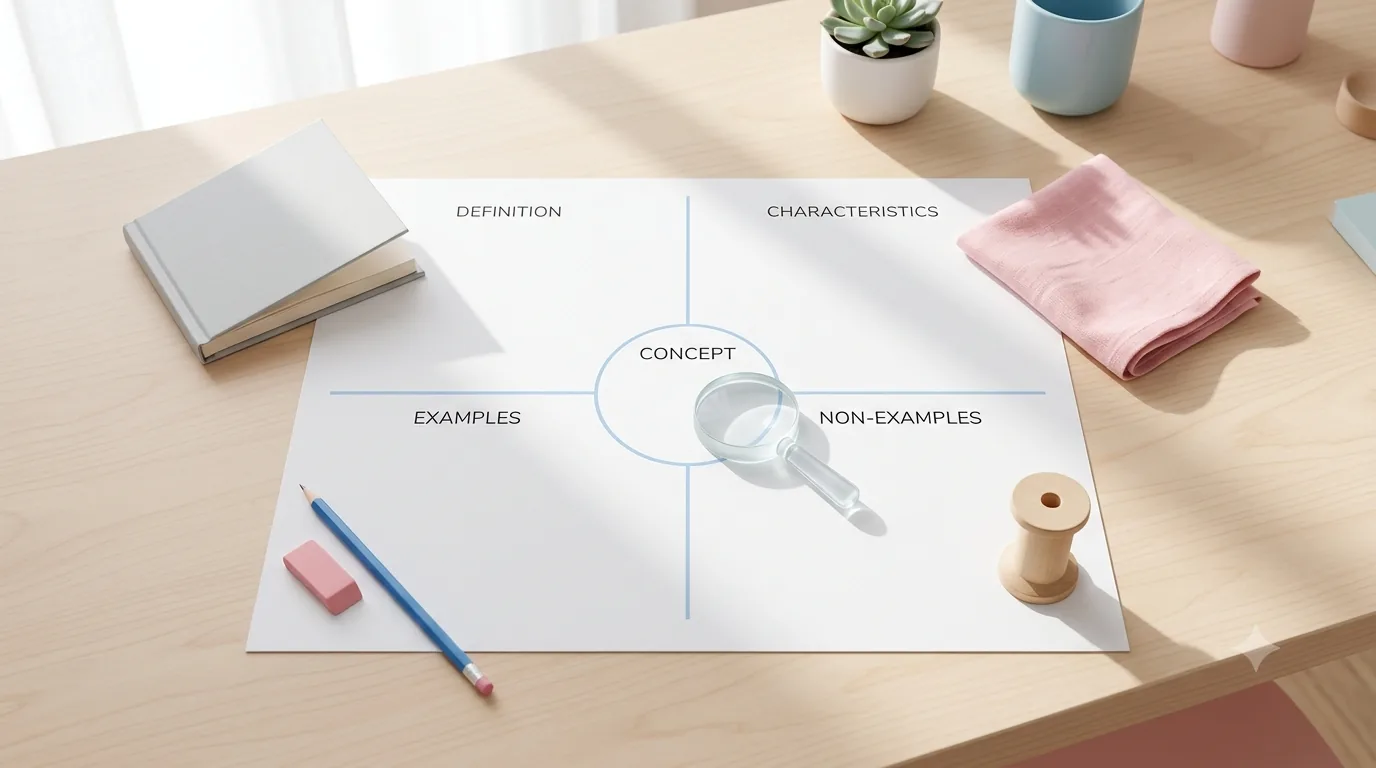
How to Use a Frayer Model for Vocabulary and Concepts
Learn how to use a Frayer Model with definitions, characteristics, examples, and non-examples, plus worked examples and common fixes.
Read guide →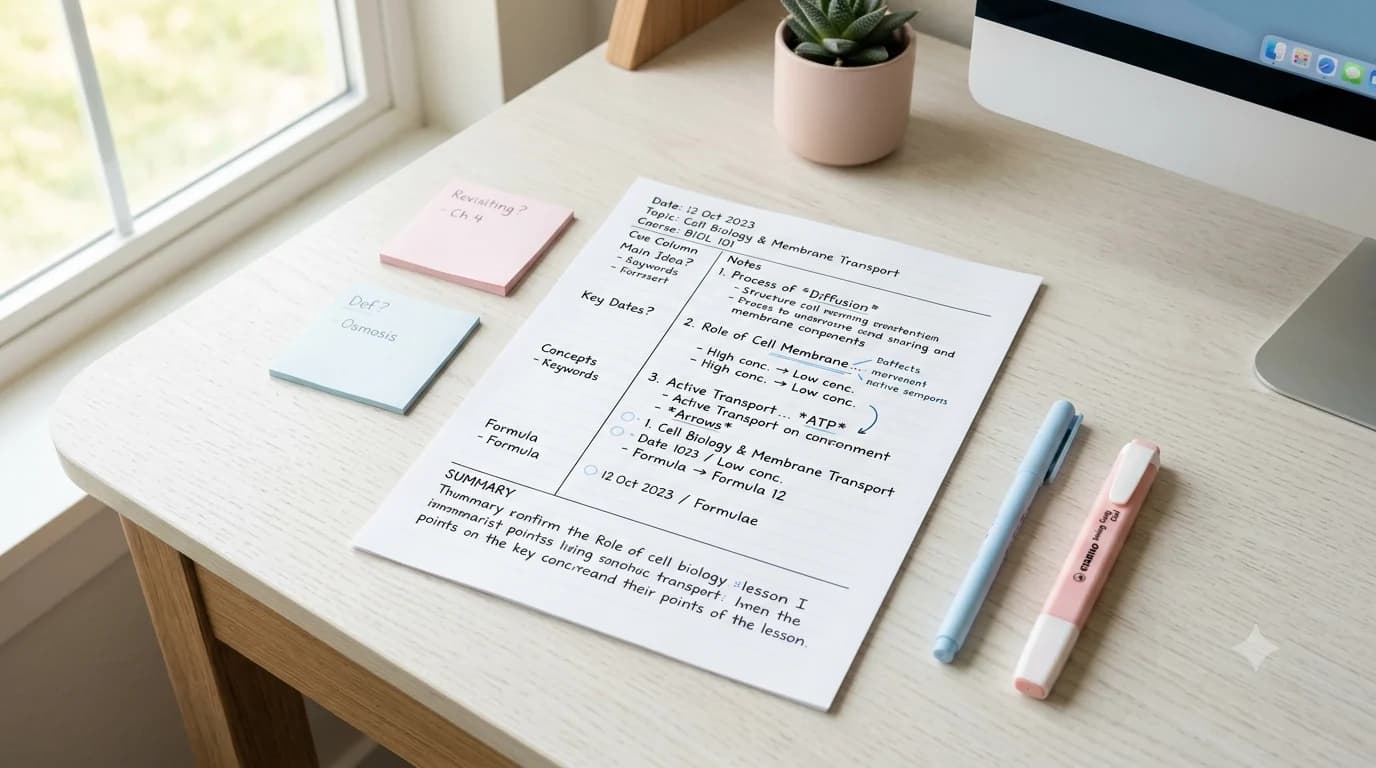
7 Cornell Notes Mistakes That Make the Method Less Useful
Fix seven common Cornell Notes mistakes, from empty cue columns to passive rereading, and turn each page into a practical study tool.
Read guide →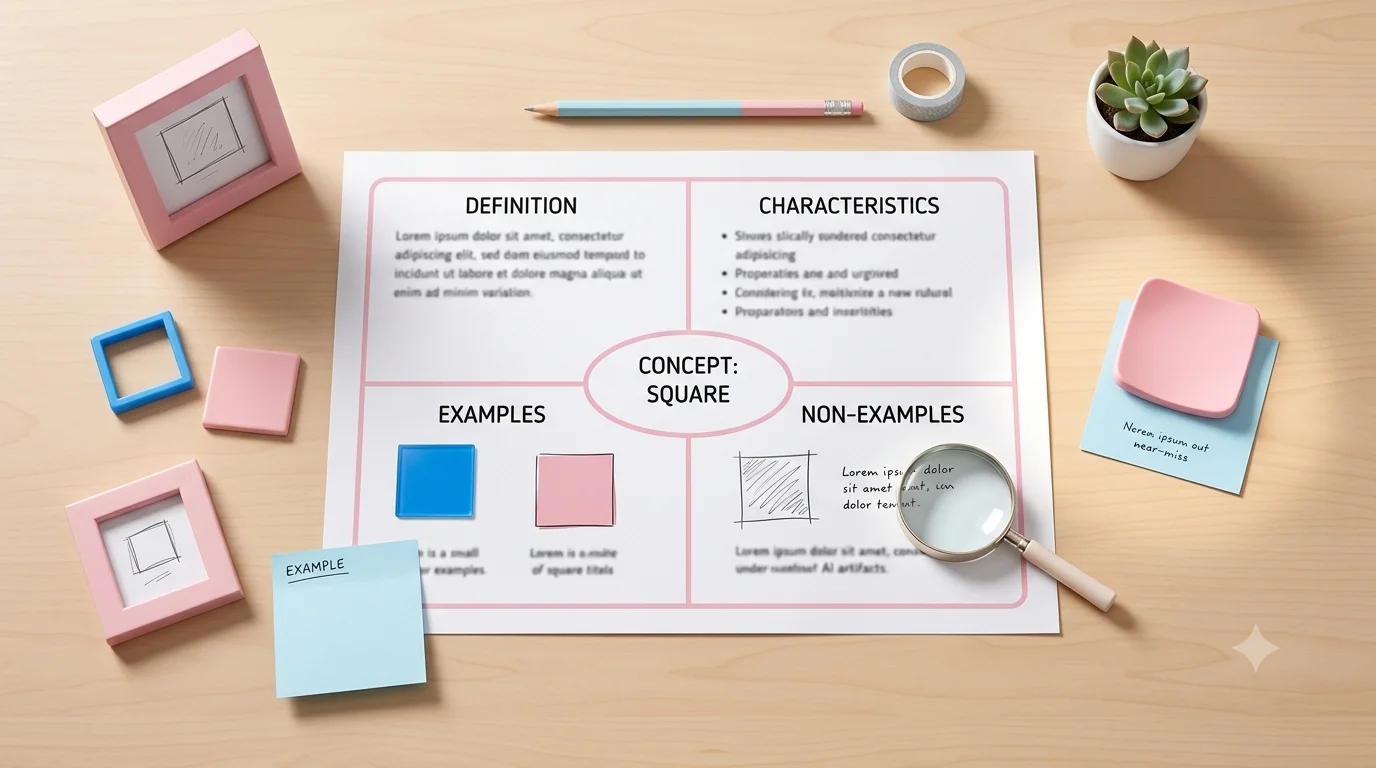
Frayer Model Examples and Non-Examples: How to Choose Ones That Actually Teach the Concept
Learn how to choose strong Frayer Model examples and non-examples, including near-misses, defining characteristics, and worked examples across subjects.
Read guide →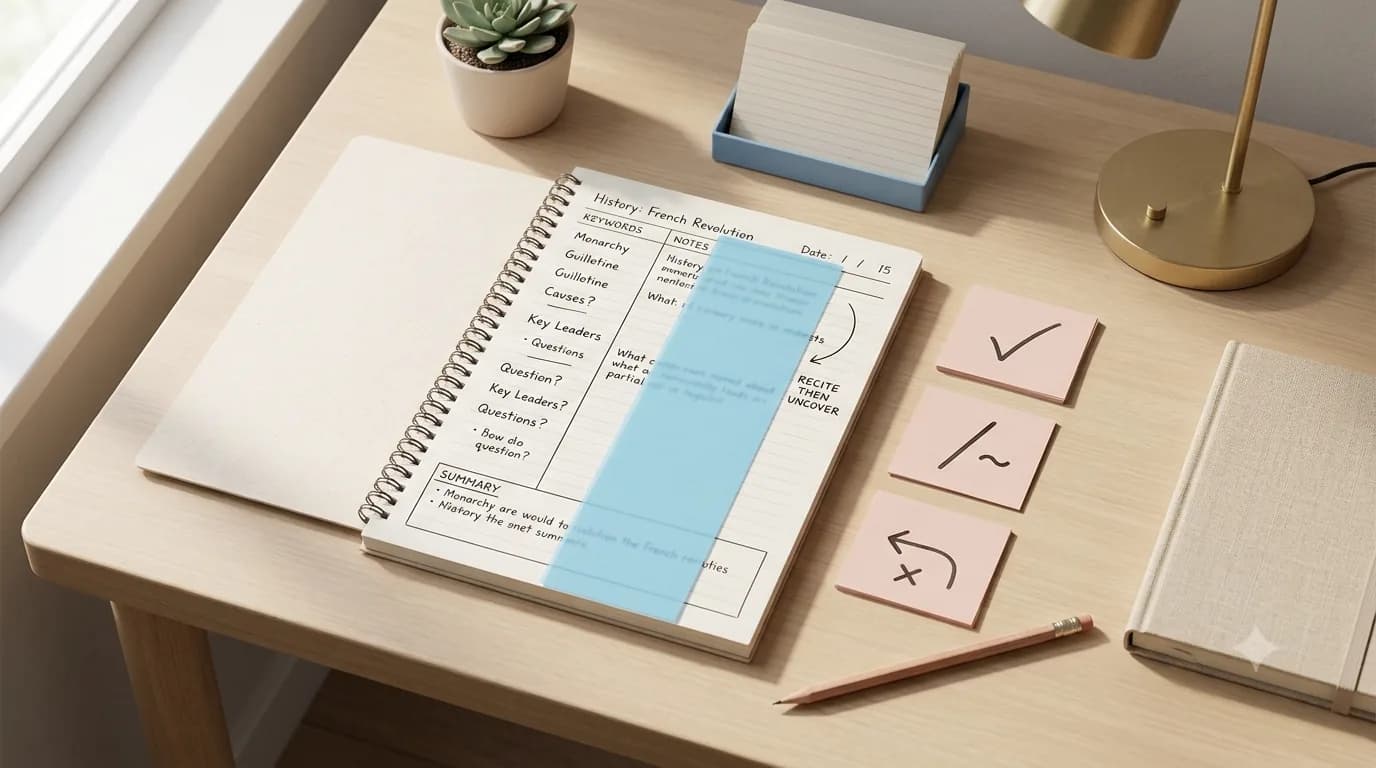
How to Review Cornell Notes: Turn the Cue Column Into a Weekly Study System
Review Cornell notes actively: write better cue questions, cover and recite, mark weak answers, summarize, and build a practical weekly study routine.
Read guide →